Intimate Hyperpigmentation: Causes, External Skin Care and Safety

Color variation on the vulva, bikini line, groin, inner thighs and other external intimate areas is common. These areas can naturally be darker than nearby skin, and their appearance can change with hormones, friction, hair removal, inflammation and age.
Intimate hyperpigmentation describes darker-looking external skin. It does not mean the vagina, which is an internal organ, should be treated with cosmetic skincare. Products should never be applied internally unless a qualified clinician has specifically prescribed them for that use.
For a broader explanation of how excess pigment develops, read our complete guide to hyperpigmentation.
What Is Normal Intimate Skin Color?
There is no single “normal” color. The vulva, groin and perianal skin may be lighter, darker or more varied than the rest of the body. Symmetrical, long-standing variation without symptoms is often normal.
A new change accompanied by itching, pain, a sore, bleeding, unusual discharge, a lump or a changing lesion needs medical evaluation rather than a cosmetic brightening routine.
What Causes Hyperpigmentation in Intimate Areas?
Friction and moisture
Tight clothing, repetitive movement and skin-to-skin friction can irritate the groin and inner thighs. Ongoing inflammation may leave post-inflammatory hyperpigmentation.
Shaving, waxing and ingrown hairs
Hair removal can cause small injuries, razor burn or follicular inflammation. Picking at ingrown hairs can prolong the process and leave darker marks.
Hormonal and life-stage changes
Pregnancy, puberty and other hormonal changes can affect pigmentation. Hormones can also contribute to melasma elsewhere on the body, but intimate discoloration should not automatically be self-diagnosed as hormonal.
Product irritation
Fragranced washes, aggressive scrubs and products used too close to internal tissue can disrupt comfort and trigger inflammation. A product that burns is not working faster.
Medical conditions
Some infections, inflammatory disorders and metabolic conditions can change the color or texture of intimate skin. Thick, velvety darkening in the groin, especially when similar patches occur on the neck or underarms, should be assessed for acanthosis nigricans.
For discoloration affecting other external body areas, see Dark Spots on Skin: Causes, Types and When to Seek Care.
Vulva vs Vagina: Why the Difference Matters
The vulva is external. The vagina is the internal canal. Search phrases such as “vaginal bleaching,” “vaginal whitening” and “vagina lightening” are common, but external cosmetic products do not belong inside the vagina.
For a dedicated explanation of this search language and safer external-skin care, read Vaginal Bleaching: What It Means, Safety and External Skin Care.
A Gentle External Intimate Brightening Routine
- Check the skin first. Do not treat broken, infected, freshly waxed or actively inflamed skin.
- Cleanse gently. Avoid aggressive scrubbing and keep products external.
- Reduce repeat friction. Reconsider tight clothing, hair-removal timing and products that sting.
- Use a clearly labeled treatment. Follow the area-of-use directions and recommended frequency.
- Pause when irritated. Persistent burning, swelling or a worsening rash is a reason to stop.
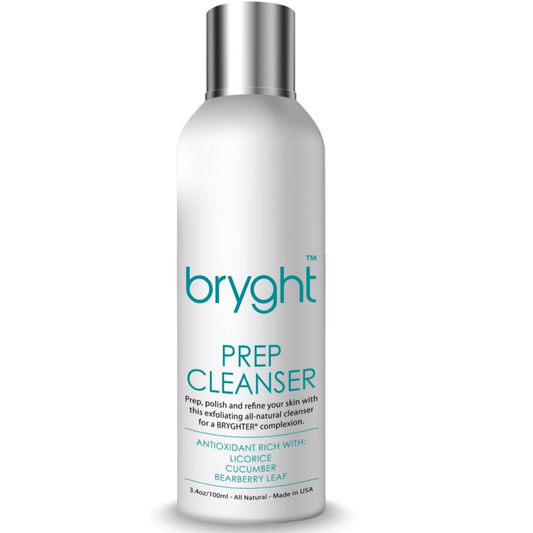
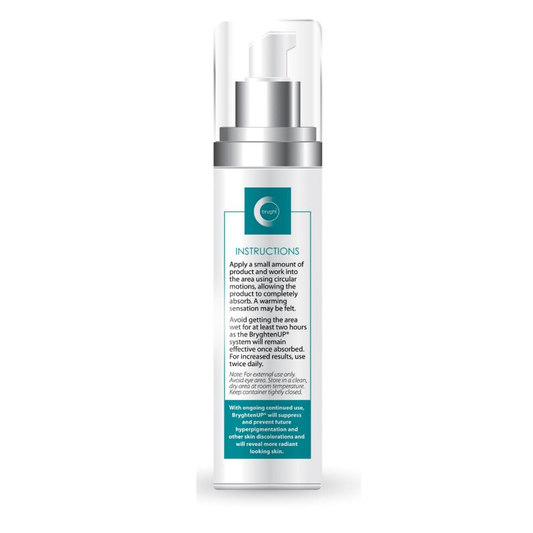
For an at-home external routine, the Bryght Duo Kit pairs the Prep Cleanser and Treat Gel. Using the two steps together as directed may support a consistent routine, but results vary and the products should never be applied internally or to an area excluded by the label.
What to Avoid
- Household bleach, lemon juice, baking soda and toothpaste
- Unlabeled whitening or bleaching products
- Scrubbing until the area feels raw
- Applying treatment immediately after hair removal if the label does not permit it
- Internal vaginal application
- Claims of permanent or instant color change
The FDA warns that some illegally marketed skin-lightening products may contain mercury or hydroquinone. Choose transparent labeling and seek medical advice if you are unsure.
How Long Can Improvement Take?
Post-inflammatory discoloration changes gradually after its trigger is controlled. Friction, shaving and repeated irritation can restart the cycle. Judge progress over time in consistent lighting and remember that natural intimate color variation does not need treatment.
When to See a Clinician
Seek medical assessment for sudden change, persistent itching, pain, open skin, discharge, odor, bleeding, a lump, a changing mole or a thickened patch. A dermatologist or gynecologic clinician can distinguish cosmetic pigmentation from a condition that needs treatment.
Frequently Asked Questions
Is intimate hyperpigmentation normal?
Often, yes. External genital and groin skin commonly differs from nearby skin. Symptoms, rapid change or a new lesion are reasons to seek advice.
Can shaving darken the bikini area?
Shaving can cause irritation, razor bumps and ingrown hairs. The inflammation may leave post-inflammatory marks, especially when the area is repeatedly shaved or picked.
Can I use a facial dark spot product on the vulva?
Do not assume it is suitable. Use only products whose directions clearly allow external intimate use, and keep them away from internal tissue.
References
- American Academy of Dermatology: How to fade dark spots in darker skin tones
- American Academy of Dermatology: Acanthosis nigricans diagnosis and treatment
- U.S. Food and Drug Administration: Skin product safety
Last updated: August 25, 2026. This article is educational and does not replace medical diagnosis.
Share