Penis Lightening: Can You Bleach or Whiten Penile Skin Safely?


Okay, we said it: penis lightening. It is a common curiosity, yet many people still feel uncomfortable talking about it. There is nothing embarrassing about asking a skincare question or wanting to understand the options available to you.
The question you may be thinking is: why would anyone want to lighten their penis? Just like other intimate areas, the external skin of the penis and surrounding area can naturally look darker or develop an uneven appearance. Genetics and normal pigmentation play a role, while friction, shaving, irritation and previous inflammation may also affect how the skin looks.
At the end of the day, many people simply want their skin to look smooth, healthy and even in tone. Men are no different. People of different ages, professions and backgrounds look for information about penis bleaching, penis whitening and intimate brightening. Asking about it does not make you unusual. Choosing to do nothing is also completely valid.
Important: A new or changing dark spot, sore, lump, rash, bleeding, discharge, pain or persistent itching should be examined by a qualified healthcare professional before you use a cosmetic product.
Is Darker Penile Skin Normal?
Yes, natural color variation is common. Penile and scrotal skin does not have to match the abdomen, thighs or other parts of the body. A darker tone is not a sign of poor hygiene.
Research on male external genital skin has documented pigmentation, including a darker median line known as the raphe, as a normal anatomical variation. Some flat brown patches may be a benign condition called penile melanosis. However, different pigmented lesions can resemble one another, so a new, changing or irregular spot should be assessed rather than covered with a brightening product.
Why Can the Skin Become Uneven?
Possible contributors include:
- Natural skin tone and genetic variation
- Friction from clothing, movement or sexual activity
- Shaving, ingrown hairs or grooming-related irritation
- Post-inflammatory hyperpigmentation after a rash or skin injury
- Contact dermatitis caused by a personal-care product
- A skin condition that needs diagnosis and treatment
If irritation is contributing to the darkening, the first priority is calming the skin and removing the trigger. The American Academy of Dermatology notes that products that irritate, burn or sting can contribute to dark spots. Applying increasingly strong products may therefore make the problem worse rather than better.
What Does Penis Bleaching Actually Mean?
Despite the search term, penis bleaching should never involve household bleach. The terms “bleaching,” “whitening” and “lightening” are commonly used online, but the modern skincare goal is more accurately described as brightening uneven-looking external skin while respecting your natural tone.
No cosmetic routine can honestly promise zero side effects. Even botanical products may irritate sensitive skin or cause an allergic reaction. “Natural” does not automatically mean risk-free, especially on intimate skin.
What Should You Avoid?
- Household bleach: Never put chlorine bleach on the skin.
- Lemon juice, baking soda or toothpaste: These DIY methods can disrupt and irritate the skin.
- Unlabeled whitening products: The FDA warns that some skin-lightening products may contain mercury or hydroquinone, including ingredients that are not disclosed correctly.
- Strong facial peels: A product made for the face is not automatically suitable for genital skin.
- Products on damaged skin: Do not apply brightening skincare to broken, inflamed, infected or freshly irritated skin.
- Overuse: More product does not guarantee faster results and may increase inflammation.
Choosing a Penis-Lightening Cream or Gel
Choose a product made for external intimate skin, with a complete ingredient list, clear directions and realistic claims. Avoid products promising to turn your natural skin color white, deliver permanent results or create a dramatic change in a few days.
“External use” matters. Apply a product only to intact external skin permitted by its current label. Never place a cosmetic product inside the urethral opening. Do not assume it can be used on the glans or beneath the foreskin unless the manufacturer’s directions explicitly authorize those areas.
Using the Bryght Duo Kit for External Intimate Skin
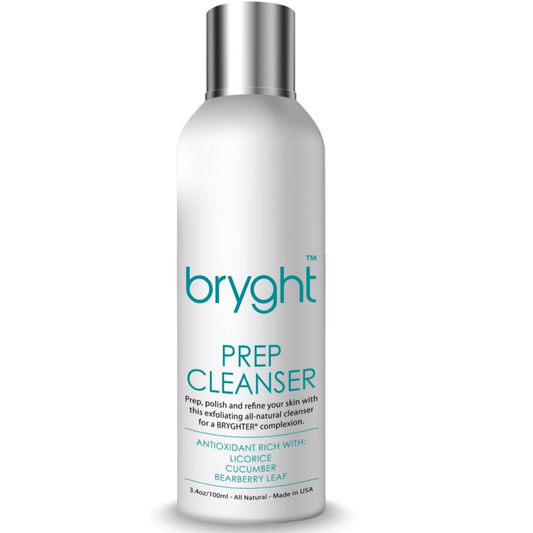
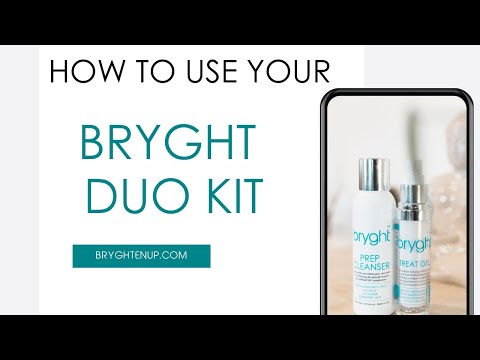
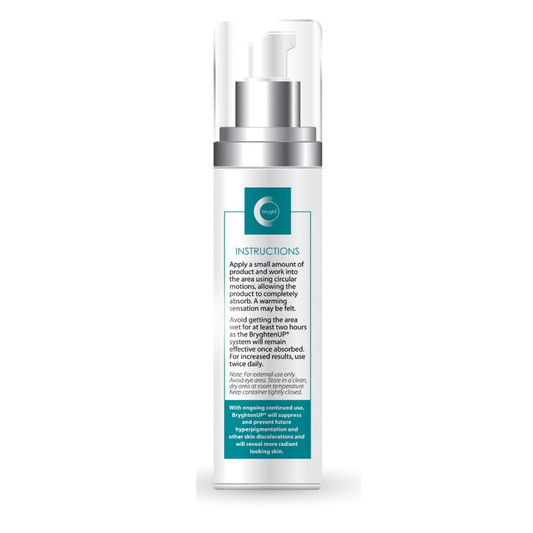
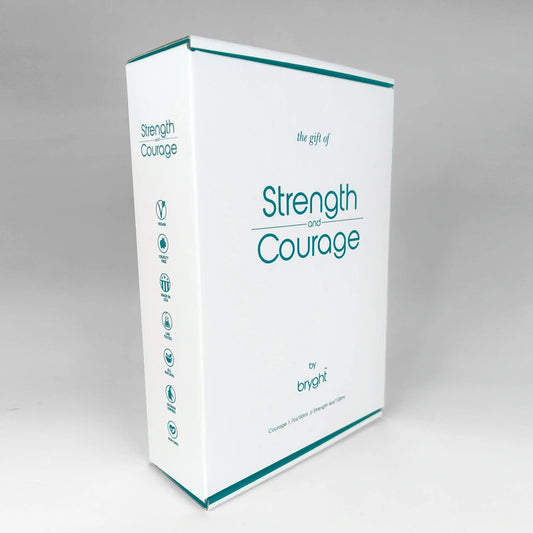
For people who want an at-home option, we recommend the Bryght Duo Kit. It contains the Prep Cleanser and Treat Gel and is designed to improve the appearance of uneven tone and hyperpigmentation on permitted external skin. There is no household bleach in the system.
Always follow the current directions supplied with your product:
- Make sure the external treatment area is intact and free from unexplained irritation.
- Apply a small amount of Prep Cleanser. Add water, massage gently for approximately 30 seconds, rinse thoroughly and pat dry.
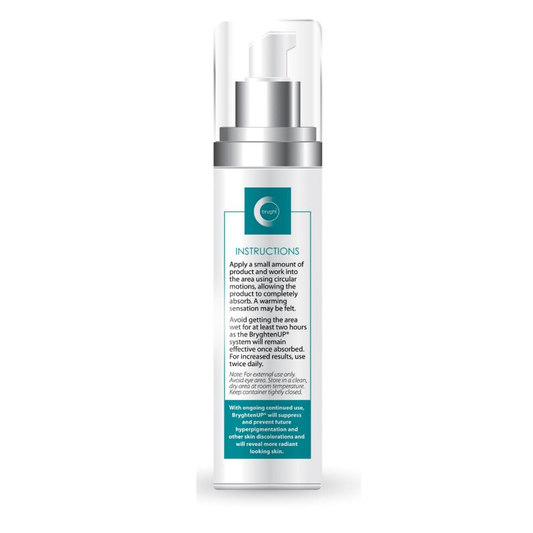
- Apply a small amount of Treat Gel to the same permitted external area and massage until absorbed.
- Keep the area dry for at least two hours, according to the current Bryght directions.
- Stop using the product if persistent burning, swelling, rash or significant irritation develops.
Bryght reports that some customers may notice a difference within two to four weeks, while stubborn pigmentation can take longer. This is a brand-reported timeframe, not a guaranteed result. Your natural skin tone, the cause of the discoloration, skin sensitivity and consistency can all affect the outcome.
When Should You See a Healthcare Professional?
Cosmetic skincare is not the right first step when the change is new, unexplained or accompanied by symptoms. Seek an assessment if you notice:
- A spot that is changing in color, shape or size
- An irregular or multicolored lesion
- A lump, thickened area or sore that does not heal
- A persistent rash, itching, pain or swelling
- Bleeding or unusual discharge
- Difficulty retracting the foreskin
These symptoms often have causes other than cancer, but they deserve proper evaluation. The NHS advises seeking medical care for changes in penile appearance or symptoms that do not go away.
Frequently Asked Questions
Can you safely bleach your penis?
Never use household bleach. If you choose cosmetic brightening, use only a clearly labeled product intended for the permitted external intimate area and follow its directions exactly.
Can I use a regular whitening cream?
Do not assume that a facial or body cream is appropriate for penile skin. The label should specifically permit use on the external intimate area you want to treat.
Can penis lightening change my natural skin color?
The goal should be improving uneven-looking pigmentation, not turning naturally darker genital skin white or creating a different genetic skin tone.
How long does it take?
There is no universal timeline. Results vary depending on the cause of the pigmentation, the product, consistency and whether the area continues to experience friction or irritation.
Can I apply the Duo Kit everywhere on the penis?
No product should be applied everywhere by assumption. Use the Duo Kit only on intact external skin allowed by its current label. Never put it inside the urethral opening, and do not apply it to the glans or beneath the foreskin unless the current directions explicitly permit that area.
Penis lightening is a personal choice. Whether you decide to use an intimate brightening product or leave your natural pigmentation alone, the most important goal is healthy, comfortable skin. It is also important to know when a cosmetic concern should first be checked by a professional.
Last updated: August 18, 2026
References
- Normal variants in patients consulted for lesions of the male external genitalia
- Penile melanosis
- Dermoscopic and clinical features of pigmented genital lesions
- Allergic contact dermatitis of the anogenital region
- American Academy of Dermatology Association: How to fade dark spots in darker skin tones
- U.S. Food and Drug Administration: Skin product safety
- NHS: Symptoms of penile cancer
- Bryght Duo Kit
Share