Nipple Bleaching Before and After: Areola Brightening Results


If you are searching for nipple bleaching before and after photos, you may be trying to understand what areola brightening can realistically change, how long results may take and which safety boundaries matter for this sensitive area.
First, darker nipples and areolae are normal. Their color varies with genetics, skin tone, age and hormones, and it may change during puberty, pregnancy and other life stages. Brightening is an optional cosmetic choice, not a hygiene requirement.
The phrase nipple bleaching is common search language. Here it refers to gradual cosmetic brightening of permitted, intact external areolar skin. It never means household bleach, aggressive DIY acids or changing the natural color of internal tissue.
What Does Nipple Bleaching Before and After Usually Show?
Most people using the term are interested in the pigmented skin surrounding the nipple, called the areola. A responsible before-and-after comparison should show a gradual change in the appearance of uneven or excess pigmentation, not an artificially pale result.
Before areola brightening
- Natural variation between the two areolae
- A darker appearance after hormonal changes
- Post-inflammatory hyperpigmentation following irritation or dermatitis
- Visible contrast that the person would personally prefer to soften
After areola brightening
- A more even-looking appearance within the person’s natural color range
- Less visible contrast between darker areas and surrounding skin
- A gradual result rather than instant whitening
- An outcome that varies according to skin, cause, routine and sensitivity
Nipple bleaching results should never be promised as a fixed number of shades. Hormonal pigmentation and natural areola color may not respond like a small post-inflammatory dark spot on another body area.
Why Can Nipples and Areolae Look Darker?
The areola naturally contains pigment and is often darker than the surrounding breast skin. Color can also change over time. Common influences include:
- Genetics and natural skin tone: areola color differs widely between people.
- Hormonal changes: puberty, pregnancy and other hormonal shifts may deepen pigmentation.
- Friction: repetitive rubbing from clothing, sports or poorly fitting bras may irritate the area.
- Inflammation: eczema, allergic reactions and scratching can leave a darker-looking area as the skin heals.
- Age and individual variation: normal color and size can change through adulthood.
Pregnancy commonly causes the nipples and areolae to darken. Anyone who is pregnant, breastfeeding or expressing milk should speak with a qualified health professional before applying a cosmetic brightening product to this area.
Areola Bleaching Before and After: What Is a Realistic Timeline?
There is no universal timeline for areola bleaching before and after results. Visible change depends on the starting color, the reason for darkening, the product, skin tolerance and consistent use according to the label.
Texture and hydration may look different before pigment does. Tone-related change is generally more gradual. Applying extra product or increasing frequency beyond the directions does not guarantee faster progress. Irritation can make pigmentation more noticeable, especially in medium to deep skin tones.
Assess changes over several weeks under consistent conditions. Avoid claims promising instant whitening, permanent results or an identical outcome for every skin tone.
How to Take Honest Before-and-After Photos
Lighting can create a more dramatic difference than skincare. To compare before and after nipple bleaching more accurately:
- Use the same private room and the same light source.
- Keep the camera distance, angle and exposure consistent.
- Avoid filters, beauty modes and automatic color correction.
- Do not photograph immediately after rubbing, showering or applying a product.
- Record the date and any changes to medication, hormones or skincare.
Another person’s photograph cannot predict your result. For broader examples and photography context, visit Bryght’s results gallery and the guide to realistic intimate brightening before-and-after results.
How to Approach At-Home Areola Brightening Carefully
The skin around the nipple is sensitive. Use only a clearly labeled cosmetic product whose current instructions allow use on that external area. Do not assume that a face cream, strong peel or product marketed for another body area is suitable.
- Begin only when the external skin is intact, calm and free from rash, scaling, cracks or sores.
- Patch test according to the current product directions.
- Apply only the directed amount to the permitted external areolar skin.
- Avoid the nipple opening and prevent the product from contacting a nursing infant.
- Stop if persistent burning, swelling, itching, redness, peeling or worsening discoloration develops.
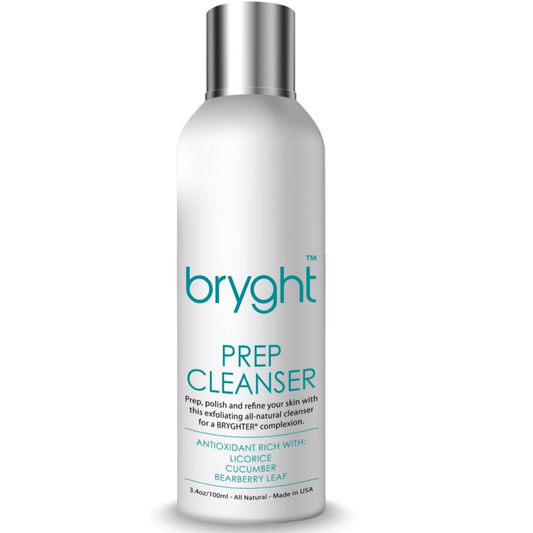
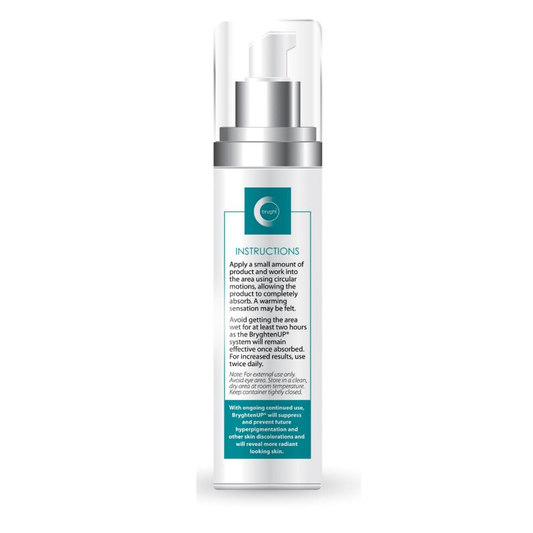
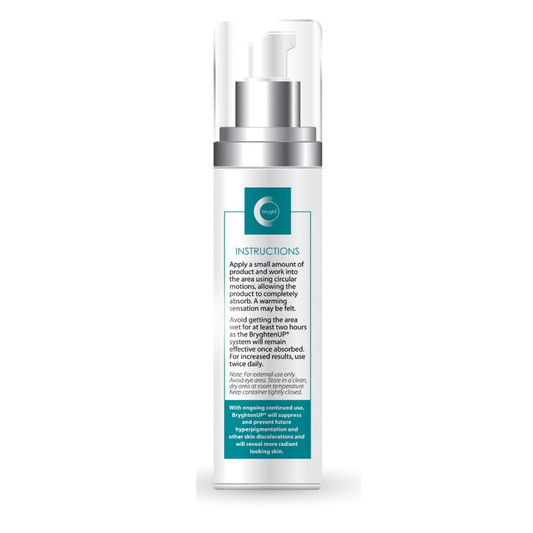
The Bryght Duo Kit is designed for permitted external skin and includes the Prep Cleanser and Treat Gel. Bryght’s professional guidance lists the area around the nipples among its external treatment zones. Follow the current product label, and ask Bryght or a qualified professional if the allowed boundary is unclear.
What Should You Avoid?
Do not apply household bleach, lemon juice, baking soda, undiluted essential oils, high-strength acids or an unlabeled whitening cream to the nipple or areola. A strong stinging or burning sensation is a warning sign, not evidence that a treatment is working.
Do not use a cosmetic brightener over eczema, dermatitis, broken skin, infection or an unexplained breast change. Treating an underlying inflammatory condition is different from cosmetic pigmentation care.
When a Nipple or Areola Change Needs Medical Assessment
A new or unexplained change should not automatically be treated as hyperpigmentation. Seek medical advice if you notice:
- A persistent change affecting only one nipple or areola
- Scaling, crusting, bleeding, ulceration or a non-healing sore
- Persistent itching, burning, pain or swelling
- Nipple discharge, especially if bloody or clear
- A new lump, skin dimpling or nipple shape change
- A rapidly changing dark patch, mole or other lesion
These signs do not necessarily mean a serious condition, but they require clinical assessment before cosmetic treatment.
Frequently Asked Questions
Is nipple bleaching the same as areola brightening?
In search language, the phrases often describe the same cosmetic goal. More precisely, many people want to brighten uneven-looking pigment on the external areola around the nipple. Product boundaries still matter.
Can a nipple bleaching cream permanently change areola color?
No responsible product should promise a permanent or predetermined shade change. Natural pigment, hormones, irritation and life stages can continue to influence areola color.
Can I brighten my nipples while pregnant or breastfeeding?
Do not begin without guidance from a qualified health professional. Pregnancy naturally changes breast and areola pigmentation, and products placed on the breast may contact a nursing infant.
How often should an areola brightening product be used?
Use only the frequency stated on the current label. The sensitivity of this area makes copying another person’s routine or increasing frequency especially unwise.
What is the best way to judge nipple bleaching results?
Use consistent private photos, allow adequate time and look for a subtle, even-toned result within your natural range. Stop if the skin becomes irritated or the color change is accompanied by other symptoms.
Final Thoughts
The best nipple bleaching before-and-after approach begins with realistic expectations. Areola pigmentation is normal and often hormone-responsive. If you choose cosmetic brightening, keep the goal gradual and natural-looking, use only permitted external products and never treat a new or symptomatic breast change without medical advice.
References
- American College of Obstetricians and Gynecologists: Skin Conditions During Pregnancy
- DermNet: Nipple Eczema
- NHS: Paget’s Disease of the Nipple
Last updated: August 22, 2026.
Share