How Does Skin Lightening Work? Pigment, Process & Results

Throughout my years of working in beauty, I never imagined I would become comfortable explaining a service commonly searched as “anal bleaching.” Yet once clients learn that modern skin brightening is not literal bleaching, the subject becomes much less intimidating.
How does skin lightening work? In simple terms, cosmetic brightening aims to reduce the appearance of excess or uneven pigment while supporting normal skin renewal. The responsible goal is a more even-looking tone within your natural range, not erasing your identity or turning skin an unnatural color.
Words such as lightening, bleaching, whitening and brightening are often used for the same search intent. Bryght prefers brightening because it describes the desired cosmetic result more accurately. None of these terms should ever mean using household bleach on skin.
What Causes Skin to Look Darker or Uneven?
Melanin is the pigment that helps give skin its color. It is produced by cells called melanocytes and distributed through the surrounding skin cells. Different people naturally produce and distribute different amounts of melanin, and some body areas are naturally darker than others.
Hyperpigmentation develops when an area produces or retains more visible pigment. Common influences include:
- Friction from clothing, movement or skin folds
- Shaving, waxing, ingrown hairs or minor skin injury
- Inflammation caused by acne, eczema or irritating products
- Hormonal changes, including pregnancy
- Sun and visible-light exposure on uncovered areas
- Genetics, age and natural variation between body areas
Post-inflammatory hyperpigmentation can occur after acne, irritation, or inflammation and may leave dark spots on the face after the original skin concern has healed.
For help identifying friction, inflammation, sun exposure and other possible triggers, see our guide to uneven skin tone and dark spots.
How Does Skin Lightening Work?
Different products and professional treatments use different combinations of the following approaches. A cosmetic routine may use one or several of them.
1. Supporting surface exfoliation
Exfoliating ingredients help loosen and remove dull surface cells as part of normal skin renewal. This may make superficial uneven tone look less noticeable and help other products contact the skin more evenly. Exfoliation does not remove all pigment, and aggressive exfoliation can cause irritation that makes discoloration worse.
2. Addressing excess pigment production
Some brightening ingredients are described as tyrosinase inhibitors. Tyrosinase is an enzyme involved in melanin production. These ingredients are used to support a more even-looking appearance by addressing excess pigment activity rather than stripping away a person’s natural skin color.
3. Calming the irritation cycle
If shaving, rubbing or a harsh product keeps irritating the area, new discoloration may continue to appear. A gentle routine, appropriate hydration and removal of avoidable triggers can help break the cycle of irritation followed by darker-looking marks.
4. Protecting progress
On exposed areas, sun protection can help prevent dark spots from becoming more noticeable. On covered or intimate areas, reducing repeated friction and following careful hair-removal practices may be more relevant. Maintenance depends on what caused the uneven tone in the first place.
How Does the Professional Bryght Process Work?
The original version of this article described Bryght’s professional service as a four-step experience. That core structure remains useful: the skin is cleansed, prepared through controlled exfoliation, treated with a targeted brightening step and finished according to the current professional protocol.
- Cleanse: remove surface residue from the permitted treatment area.
- Prepare and exfoliate: support even product contact without uncontrolled scrubbing.
- Apply the professional brightening step: use the current Bryght system as trained and directed.
- Finish and protect: complete the protocol and provide area-specific aftercare.
A Bryght provider may also use the current LED step when it is part of the professional protocol. Exact products, timing and suitability should be confirmed with the provider rather than copied from an older article or another client’s treatment.
My own underarm service was comfortable and felt more like a skincare treatment than the harsh process people imagine when they hear the word “bleaching.” Individual responses differ, so one person’s immediate visual change should not be treated as a guarantee for everyone.
Does Skin Lightening Work?
Skin brightening can improve the appearance of some forms of uneven tone, but success depends on the cause and depth of the pigmentation, the product or service, skin sensitivity and consistency. It cannot responsibly guarantee a fixed number of shades or identical results for every person.
Some discoloration may gradually fade when the source of irritation stops. Deeper or persistent pigment can take considerably longer. A product that burns, causes a rash or creates ongoing redness is not working better. Irritation may lead to more post-inflammatory hyperpigmentation.
How Does Anal Bleaching Work?
Anal bleaching uses the same broad cosmetic principles, but the term applies to intact external perianal skin. It should never involve household bleach or application inside the anal canal or rectum.
Because this area experiences friction, moisture and sensitivity, a gentle external routine and realistic expectations are especially important. For anatomy-specific safety, methods and terminology, read What Is Anal Bleach?.
Professional Treatment or At-Home Care?
A trained provider can examine the permitted external area, explain the current protocol and give aftercare guidance. If you are searching for services in Las Vegas, Vancouver or another city, use the Bryght Store Locator and contact the listed provider directly to confirm current services and pricing.
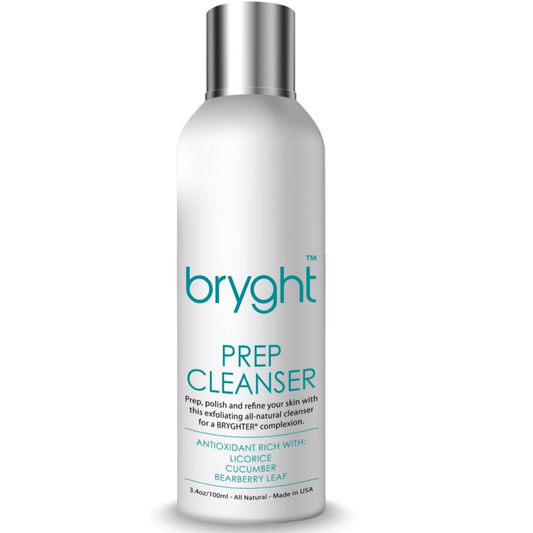
For home care, the Bryght Duo Kit combines the Prep Cleanser and Treat Gel for permitted external skin. Follow the current label for amount, frequency and treatment boundaries. The at-home routine can be used on its own or as maintenance when recommended after a professional service.
A simple at-home framework
- Begin only when the skin is intact and calm.
- Use the Prep Cleanser according to the current directions, then rinse and pat dry.
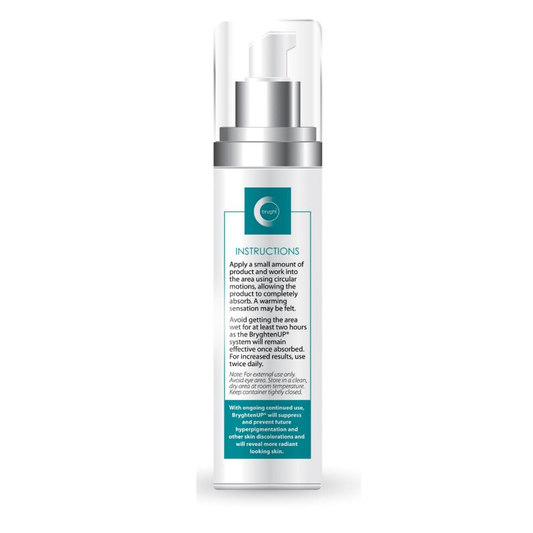
- Apply the Treat Gel only as directed and allow it to absorb.
- Reduce avoidable irritation and monitor the area over time.
- Stop if persistent burning, swelling, rash or worsening discoloration develops.
Before choosing a formula, read our guide to skin brightening and lightening products, safety signals and product claims.
What Skin Lightening Cannot Do
Cosmetic brightening is not appropriate for every color difference. It should not be used to treat:
- Moles, birthmarks or changing skin lesions
- Vitiligo or unexplained loss of pigment
- Active eczema, infection, open wounds or severe irritation
- Internal vaginal, anal or other mucosal tissue
- A sudden or symptomatic color change that has not been assessed
Seek medical advice for a rapidly changing patch, persistent pain or itching, bleeding, sores, swelling or a color change with no clear cosmetic cause.
Skin Lightening Safety: What to Avoid
Never use household bleach, lemon juice, baking soda, undiluted essential oils or strong DIY acid mixtures on skin. Avoid poorly labeled products and check ingredient lists carefully. The U.S. Food and Drug Administration warns that some skin-lightening products may contain mercury or unlawfully marketed over-the-counter hydroquinone, including substances that may not be declared accurately on questionable labels.
More product is not necessarily more effective. Use only the amount and frequency stated on the current label, and do not combine multiple exfoliating treatments without qualified guidance.
Frequently Asked Questions
How does skin bleaching work?
When people say skin bleaching, they often mean cosmetic brightening. Depending on the method, it may support surface renewal, address excess pigment production or reduce the irritation cycle that contributes to uneven tone. It should not involve literal bleach.
What does bleaching your skin do?
A responsibly formulated cosmetic routine aims to make areas of excess or uneven pigmentation look more balanced within your natural skin tone. It should not create an unnaturally pale result or damage the skin barrier.
How long does the skin lightening process take?
There is no universal timeline. Visible change depends on the cause and depth of pigmentation, body area, skin sensitivity, treatment type and consistency. Compare progress over weeks rather than expecting an overnight transformation.
Does anal bleaching work?
Some external cosmetic routines can improve the appearance of uneven perianal tone. Results vary, and safe use depends on a clearly labeled product, intact external skin and correct application.
Can skin lightening be permanent?
Not necessarily. Friction, inflammation, hormones, sun exposure and natural pigment changes may affect the area again. Maintenance should address the original trigger as well as the appearance of the pigment.
Final Thoughts
Understanding how skin lightening works makes the process less mysterious. Responsible brightening supports a more even-looking tone through controlled surface renewal, pigment-focused skincare and prevention of repeated irritation. Choose products carefully, respect treatment boundaries and judge progress by natural-looking results rather than extreme promises.
References
- American Academy of Dermatology Association: How to Fade Dark Spots in Darker Skin Tones
- DermNet: Postinflammatory Hyperpigmentation
- U.S. Food and Drug Administration: Skin Product Safety
Last updated: August 26, 2026.
Share