Does Lemon Juice Lighten Skin? Risks & Safer Options

Short answer: Lemon juice may make skin look temporarily brighter because it is acidic and can exfoliate the surface, but it is not a safe or predictable skin-lightening treatment. Fresh lemon juice can irritate the skin, weaken the skin barrier and, when followed by sunlight, cause a phototoxic reaction that may leave darker pigmentation behind.
Remember the days of using Sun-In to lighten your hair? Or the days when your grandma used lemons to lighten discolored skin on the back of her hands? It sounds natural, inexpensive and easy. But is it effective? Is it dangerous? And what actually happens when you use lemon juice to lighten skin?
Does Lemon Juice Lighten Skin?
Raw lemon juice is sometimes promoted as a home remedy for dark spots because it contains acids and vitamin C. However, a kitchen ingredient is not the same thing as a properly formulated skincare product. The acidity, concentration, freshness and amount applied can vary every time you cut a lemon.
Any visible change may come from temporary surface exfoliation rather than controlled treatment of hyperpigmentation. If lemon juice causes inflammation, the irritation can stimulate post-inflammatory hyperpigmentation, especially in deeper skin tones. In other words, the remedy intended to fade a dark area may ultimately make it look darker.
What Is in Lemon Juice?
The juice of lemons contains several naturally occurring acids, including citric acid, malic acid and ascorbic acid. Ascorbic acid is a form of vitamin C. Citric and malic acids belong to the broader alpha hydroxy acid family and can affect the outermost layers of skin.
These ingredient names may sound familiar because related acids and vitamin C derivatives are used in cosmetic formulas. The important difference is formulation control. A cosmetic product can be designed around a measured concentration, controlled pH, stability testing and directions for use. Fresh lemon juice offers none of that consistency.
Why Lemon Juice Can Irritate or Burn Skin
Lemon juice is highly acidic. Applying it directly can cause stinging, dryness, redness, dermatitis and disruption of the skin barrier. The risk can increase when skin is already sensitized by shaving, waxing, exfoliating, friction or another active product.
The combination of uncontrolled acidity and exfoliation without a supportive formula can become an irritating mixture. Irritation matters because inflammation is one of the triggers that can lead to excess pigment as the skin heals.
Lemon Juice and Sunlight: The Phototoxicity Risk
Citrus juice on the skin followed by ultraviolet A exposure can trigger a reaction called phytophotodermatitis. It is a direct phototoxic reaction, not necessarily an allergy. Redness, swelling and blisters may develop after exposure. Once the acute reaction settles, post-inflammatory pigmentation can remain for weeks, months or longer.
This is why applying lemon juice and then going outdoors is particularly risky. Sunscreen does not turn raw lemon juice into a controlled skincare treatment, and washing it off shortly before sun exposure may not eliminate the risk.
Can Lemon Juice Make Dark Spots Worse?
Yes. Pigmentation can be triggered by the swelling and inflammation that occur after irritation. Picking the skin, aggressive exfoliation, shaving irritation and burns can all contribute to dark spots on the face and darker-looking marks elsewhere on the skin. Lemon juice can create the same cycle:
- The acid irritates or damages the skin barrier.
- The skin becomes inflamed.
- The skin heals by producing excess pigment in the affected area.
- The original spot may look unchanged or darker.
Learn more about this process in our guide to uneven skin tone and hyperpigmentation.
Is Lemon Juice Safe for Intimate Areas or Underarms?
No. Do not apply raw lemon juice to the vulva, anus, penis, scrotum or other intimate tissue. It should also be avoided on freshly shaved or waxed underarms, the bikini line, broken skin and any area that is already irritated.
These areas may experience friction, moisture and regular hair removal, making careful product selection and correct timing especially important. Household bleach, baking soda, peroxide and undiluted essential oils should not be substituted for lemon juice either.
Vitamin C Skincare Is Not the Same as Raw Lemon Juice
Vitamin C is used in skincare because it can provide antioxidant support and may help improve the appearance of uneven tone. That does not mean squeezing a lemon onto the skin provides the same benefits.
A finished cosmetic formula is developed to manage concentration, pH, stability, delivery and compatibility with the rest of the product. Raw lemon juice changes from fruit to fruit and can degrade after exposure to air and light. Adding aloe vera, water or another household ingredient does not make the mixture professionally formulated or safety tested.
Safer Ways to Approach Uneven Skin Tone
Begin by identifying what may be causing the darker area. Friction, inflammation, hair removal, hormones, sun exposure and certain skin conditions can all affect pigmentation. Treating the trigger is often as important as choosing a brightening routine.
- Use products as labeled. Choose clearly labeled skincare from a traceable seller and follow the directions.
- Patch test first. Test a small area and stop if significant burning, swelling or persistent redness develops.
- Protect exposed skin from the sun. UV exposure can deepen existing pigmentation and interfere with progress.
- Avoid stacking irritants. Do not combine multiple exfoliating products or apply them immediately after shaving or waxing unless the directions specifically allow it.
- Set realistic expectations. Responsible brightening aims for a more even-looking version of your natural tone, not an extreme change in natural skin color.
For a clearer explanation of pigment and surface renewal, read how skin lightening works.
Professional Care or an At-Home Routine?
If the area is sensitive, repeatedly irritated or difficult to assess, consider consulting a qualified professional before beginning a brightening routine. A provider can help evaluate treatment timing, recent hair removal and whether the skin is suitable for a cosmetic service. Use the Bryght Store Locator to look for a provider near you and contact the location directly to confirm its current services.
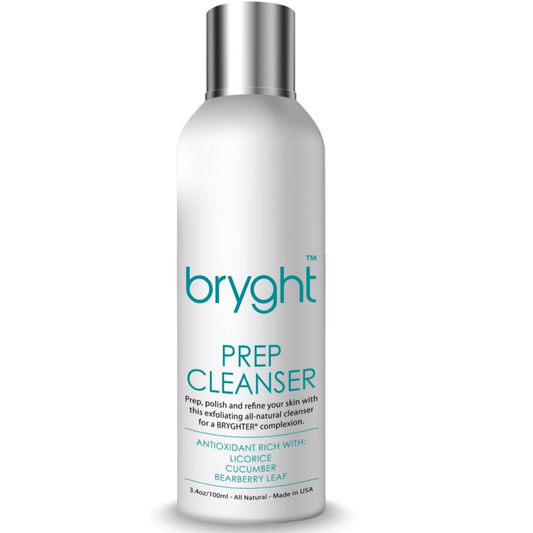
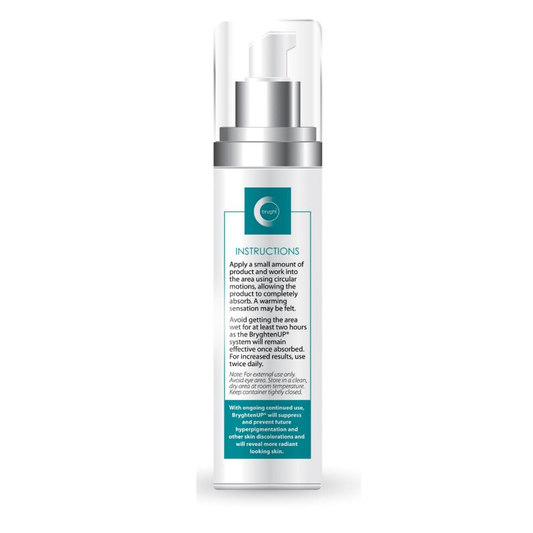
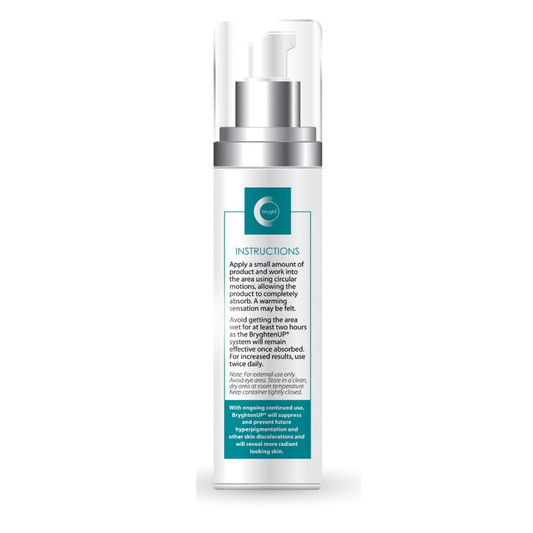
If you prefer an at-home routine for intact external skin, the Bryght Duo Kit combines a Prep Cleanser and Treat Gel. Follow the current label directions and avoid applying any cosmetic product to internal tissue, cuts, active rashes or visibly inflamed skin.
What Should You Do After a Lemon Juice Reaction?
Stop using the lemon juice and rinse the area gently. Avoid further sun exposure and additional acids or scrubs while the skin recovers. Seek medical care if you develop significant pain, swelling, blistering, open skin or a reaction near the eyes or genitals. A healthcare professional should also assess a dark patch that changes rapidly, becomes symptomatic or has an uncertain cause.
Frequently Asked Questions
How long does lemon juice take to lighten skin?
There is no reliable or medically established timeline because raw lemon juice is not a standardized skin-lightening treatment. Repeated use may cause irritation without improving the pigment.
Does lemon bleach skin permanently?
No. Lemon juice does not safely or permanently remove natural pigment. Any temporary brightening may reflect surface exfoliation, while irritation can cause longer-lasting dark marks.
Can I dilute lemon juice before applying it?
Dilution does not create a tested cosmetic formula or remove the possibility of irritation and phototoxicity. A labeled skincare product is the more predictable choice.
Can I use lemon juice on dark underarms?
It is better to avoid it, particularly after shaving or waxing. Underarm darkening can be related to friction, irritation or an underlying condition, so persistent or thickened discoloration should be assessed by a healthcare professional.
Is lemon safe for vaginal or anal bleaching?
No. Do not apply raw lemon juice to genital, anal or internal tissue. Choose products labeled for their intended external area and follow the directions carefully.
Final Thoughts
We have come much further than the generations before us. Thanks, Grandma, but today we can choose something more sophisticated and predictable than raw lemon juice. Controlled skincare and sensible professional guidance are better ways to support a brighter, more even-looking tone without creating a new cycle of irritation and pigmentation.
References
- DermNet: Phytophotodermatitis
- Canadian Family Physician: Phytophotodermatitis, Rash with Many Faces
- American Academy of Dermatology Association: How to Fade Dark Spots in Darker Skin Tones
- U.S. Food and Drug Administration: Skin Product Safety
Last updated: August 26, 2026.
Share