Butt Bleaching: How to Brighten Dark Buttocks Safely

Butt bleaching is a cosmetic approach intended to make darker or uneven-looking skin on the buttocks appear more even. Despite the familiar name, it should never involve household bleach. A modern routine focuses on gradual brightening, realistic expectations and avoiding the irritation that can make hyperpigmentation more noticeable.
Darker buttocks, creases and body folds are common. Natural pigment, friction, sweat, sitting, tight clothing, hair removal and previous bumps can all affect how the skin looks. Nothing about this color variation means that the area is dirty or unhealthy.
What Is Butt Bleaching?
Butt bleaching, also searched as butt whitening, butt lightening, bum bleaching or ass bleaching, refers to cosmetic products or professional services intended to reduce the appearance of uneven pigmentation on the buttocks.
The word “bleaching” reflects the language people use when searching, not the desired skincare method. The aim should be a more even-looking version of your natural skin tone, not an unnaturally pale result or a complete removal of pigment.
Butt Bleaching vs. Anal Bleaching
These terms overlap, but they do not always describe the same treatment area:
- Butt bleaching can refer broadly to the butt cheeks, the crease beneath them and permitted external skin between the cheeks.
- Anal bleaching usually refers specifically to the external perianal skin immediately around the anus.
The distinction matters because treatment boundaries and sensitivity can differ. Never assume that a product suitable for the outer buttocks can be inserted into the anus or applied to internal tissue. If your concern is specifically perianal skin, read the separate anal bleaching at-home guide.
Why Are My Buttocks Darker?
Skin tone is not uniform across the body. Several factors may contribute to darker or patchy-looking buttocks:
Natural melanin and genetics
Your skin naturally produces melanin, the pigment responsible for its color. Genetics influence how much pigment appears and where it is concentrated. Body folds and areas that rub can look darker than nearby skin without anything being wrong.
Friction, pressure and sweat
The buttocks experience regular pressure from sitting and friction from movement and clothing. Tight, non-breathable fabrics may also trap heat and sweat. Cleveland Clinic notes that friction, sweating and tight clothing can contribute to follicular irritation on the buttocks.
Shaving and waxing
Hair removal can irritate follicles or create ingrown hairs. When inflammation settles, it may leave a dark mark known as post-inflammatory hyperpigmentation, especially in medium to deep skin tones.
Bumps and inflammation
What people call “butt acne” may actually be folliculitis, keratosis pilaris, boils or another condition. Picking, squeezing or repeatedly scrubbing bumps can injure the skin and increase the chance of discoloration.
Skin irritation
Harsh scrubs, fragranced products, unsuitable acids and overuse of skincare can inflame the skin. The American Academy of Dermatology explains that irritating products can trigger dark spots and that addressing the cause of inflammation is an important part of fading them.
Why Do People Bleach Their Bum?
People choose buttocks brightening for different personal reasons. Some want a more even appearance in swimwear or underwear. Others include the area in a broader body-care routine or want to address marks left by friction, hair removal or bumps.
Butt bleaching is not necessary for hygiene, health or attractiveness. Natural darker pigmentation is normal. The decision should come from your own cosmetic preference, not pressure from a partner, social media or edited photographs.
How to Whiten or Brighten a Dark Bum Safely
People commonly search for “how to whiten bum” or “how to bleach buttocks,” but the safer strategy is gradual tone care rather than aggressive whitening. Start with the reason the skin looks uneven.
- Check the condition of the skin. Do not begin cosmetic brightening over painful bumps, a rash, broken skin, an infection or an unexplained changing patch.
- Reduce recurring irritation. Looser clothing, breathable fabric and reconsidering an irritating hair-removal method may help prevent new marks.
- Choose a clearly labeled external product. Look for complete ingredients, precise directions and realistic claims.
- Follow the current directions. More product or more frequent use does not guarantee faster results and can cause irritation.
- Allow time. Visible pigmentation changes are gradual and depend on the cause, depth of discoloration and individual skin response.
At-Home Butt Bleaching With the Bryght Duo Kit
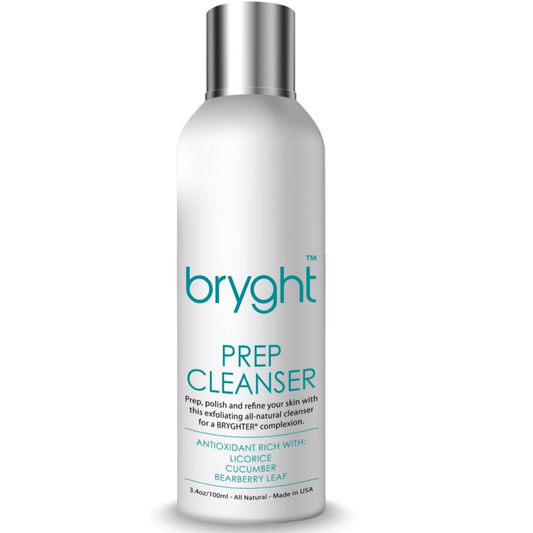
For people who prefer an at-home routine, the Bryght Duo Kit combines the Prep Cleanser and Treat Gel. Bryght positions the two-step, pH-balanced system to improve the appearance of hyperpigmentation, discoloration and uneven tone on permitted external body areas.
The Bryght formula contains no household bleach, hydroquinone, mercury, fragrance or kojic acid. It is designed around gradual brightening rather than stripping away natural skin color.
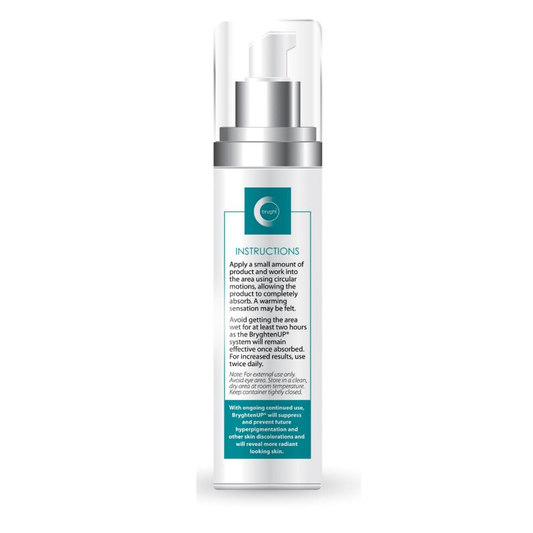
Read the current product directions before use. Apply only to intact external skin within the stated treatment boundaries. Do not insert the product into the anus, and do not apply it to cuts, open sores or actively irritated skin. If you are uncertain whether a specific area is permitted, contact Bryght before applying it.
Professional Buttocks Brightening
Some people prefer a trained professional who can examine the external treatment area, explain the protocol and provide individualized preparation and aftercare. Before booking, ask:
- What products or devices will be used?
- What training and licensing does the provider have?
- Which external areas will be treated or excluded?
- How should you prepare around shaving or waxing?
- What side effects require follow-up or medical care?
- What results and maintenance are realistic?
Use the Bryght Store Locator to search for a provider, then contact the location directly to confirm that it currently offers buttocks or intimate brightening.
Butt Bleaching Before and After Results
Results vary according to natural skin tone, the cause and depth of visible pigmentation, ongoing friction, skin sensitivity and consistency. A realistic improvement is usually a gradual reduction in contrast or a more even-looking tone, not a dramatic overnight transformation.
Before-and-after photographs should use the same lighting, distance, angle and body position. Flash, shadows, filters and editing can make the same skin look lighter or darker. Another person’s result cannot predict yours.
For fuller guidance on timelines and photography, visit the intimate bleaching before and after guide.
What Should You Avoid?
Household bleach
Never use chlorine bleach on the skin. It can cause chemical injury and is not a skincare treatment.
Unlabeled whitening products
The U.S. Food and Drug Administration warns consumers about skin-lightening products containing mercury or illegally marketed over-the-counter hydroquinone. Some products may not disclose these ingredients accurately. Avoid products without a complete, trustworthy label.
DIY acids and kitchen mixtures
Lemon juice, baking soda and improvised peels can irritate the skin. Irritation may leave the area looking darker or more uneven after it heals.
Aggressive scrubbing
Dark pigment is not dirt that can be scrubbed away. Repeated rubbing, rough gloves and harsh exfoliation can damage the skin barrier and prolong inflammation.
Treating active bumps as pigmentation
A brightening product does not diagnose or treat every buttock bump. Persistent, painful, hot, draining or spreading lesions need appropriate medical assessment.
How to Support a More Even-Looking Butt
- Change out of damp workout clothes promptly.
- Choose breathable clothing when heat and friction are recurring problems.
- Avoid picking or squeezing bumps.
- Use gentle hair-removal practices and let irritated skin recover.
- Do not combine multiple strong active products without professional guidance.
- Follow the product label consistently rather than chasing overnight results.
When Should You See a Healthcare Professional?
Get medical advice before cosmetic treatment if you have:
- Deep, recurrent or painful bumps
- Pus, spreading redness, warmth or fever
- Persistent itching, burning or a rash
- Bleeding, sores, broken skin or drainage
- A rapidly changing dark or light patch
- A lump that does not improve
It is more effective to identify and manage an underlying skin problem before trying to fade the marks it leaves.
Frequently Asked Questions
Can you actually bleach your butt?
“Butt bleaching” is the familiar cosmetic search term, but you should never apply household bleach. Appropriate products are intended to gradually improve the appearance of uneven external skin tone.
Is butt whitening permanent?
No cosmetic routine can promise permanent results. Friction, hormones, inflammation, hair removal and natural pigmentation may continue to affect how the skin looks.
How long does butt bleaching take?
There is no universal timeline. Results depend on the formula, cause and depth of pigmentation, skin sensitivity and consistency. Follow the current product directions and avoid promises of overnight whitening.
Can I bleach my buttocks naturally at home?
Do not use lemon juice, baking soda or other homemade mixtures. “Natural” does not automatically mean non-irritating. Choose a clearly labeled product intended for the permitted external area.
Does butt bleaching help butt acne marks?
A brightening routine may improve the appearance of some marks left after inflammation, but it does not treat every cause of buttock bumps. Control the underlying irritation or condition first.
Can I use a butt bleaching product after shaving or waxing?
Freshly shaved or waxed skin may be irritated. Follow the timing in the current product directions and do not apply active skincare to raw, cut or inflamed skin.
Is a bleached bum hole the same as butt bleaching?
The phrases overlap in everyday searches. “Bleached bum hole” usually refers more specifically to the external skin around the anus, while butt bleaching may include a broader area of the buttocks. Internal application is never appropriate.
Does bleaching your butt improve hygiene?
No. Skin color is not a measure of cleanliness. Butt bleaching is cosmetic and does not replace normal hygiene or treat odor, infection or another medical condition.
Last updated: August 21, 2026
References
Share