Intimate Bleaching Before and After: What Real Results Look Like


If you have been researching intimate bleaching before and after, you are probably wondering what a realistic result looks like, how long a visible change may take and whether the process can be approached safely.
The most important expectation is simple: cosmetic intimate brightening should not aim to erase your natural skin color. A realistic result is usually a gradual reduction in the appearance of uneven tone or darker areas. Results vary, and dramatic overnight transformations are neither a useful benchmark nor a responsible promise.
The word bleaching is common search language. In this article, it refers to cosmetic brightening of permitted intact external skin. It does not mean using household bleach, and it never means placing a cosmetic brightening product inside the vagina, anal canal or rectum.
What Does Intimate Bleaching Before and After Really Mean?
Before-and-after comparisons are most helpful when they measure a specific cosmetic concern rather than an unrealistic change in a person’s natural complexion.
Before intimate brightening
- Visible uneven tone or darker patches
- Post-inflammatory hyperpigmentation after friction, shaving or irritation
- Dryness or rough texture that makes contrast appear more noticeable
- A personal preference for a more even-looking appearance
After intimate brightening
- A more even-looking tone within the person’s natural range
- A smoother or more hydrated appearance
- Less visible contrast between a darker area and surrounding skin
- Results that develop gradually and differ from person to person
Skin in folds and intimate areas is often naturally darker than nearby skin. Darker color by itself is not evidence of poor hygiene or sexual activity, and choosing not to change it is completely valid.

Which Areas Can “Intimate Bleaching” Describe?
Intimate bleaching is an umbrella search term, not a precise anatomical treatment. Depending on the person, it may refer to the bikini line, external vulvar or labial skin, the buttocks or intact external perianal skin. A product should be used only on the areas allowed by its current label.
For anatomy-specific guidance, use the dedicated vaginal bleaching and vulvar brightening guide or the anal bleaching before-and-after guide. Those pages explain the boundaries and concerns unique to each area.
How Long Do Intimate Bleaching Results Take?
There is no universal week-by-week timeline. How quickly the appearance changes depends on the starting pigmentation, the cause and depth of discoloration, skin sensitivity, friction, hair removal, product instructions and consistency. Irritation can also trigger or worsen post-inflammatory hyperpigmentation, so using more product or applying it more often than directed can work against the intended result.
Some people notice hydration or texture changes before they see a difference in tone. Pigment-related changes are usually more gradual. Assess progress over time using consistent photographs rather than checking the area under different lighting from day to day.
If a brand or provider promises instant whitening, a guaranteed number of shades or identical results for everyone, treat the claim cautiously.
What Affects Intimate Bleaching Before-and-After Results?
Natural skin tone and pigment depth
Melanin distribution differs between people and between body areas. A realistic goal is a more even appearance within your natural tone, not an artificial or uniformly pale result.
The cause of the darker appearance
Friction, tight clothing, shaving, waxing, ingrown hairs and previous inflammation may contribute to visible discoloration. Hormonal changes and natural variation can also affect color. Addressing avoidable irritation may be as important as the brightening routine itself.
Skin sensitivity and irritation
A product that stings, burns or causes persistent redness is not producing a better result. Irritated skin may become darker as it heals, particularly in medium to deep skin tones. Stop use and follow the label if a reaction occurs.
Consistency and maintenance
Results may change when the original source of friction or inflammation returns. Maintenance therefore includes gentle hair removal, reducing repeated rubbing and following current product directions rather than relying on aggressive treatment.
How to Compare Before-and-After Photos Honestly
Lighting and camera settings can create a larger apparent color change than skincare. For a meaningful comparison:
- Use the same room, lighting and time of day.
- Keep the camera distance, angle and body position consistent.
- Avoid filters, beauty modes and automatic color correction.
- Do not compare freshly irritated skin with calm, hydrated skin.
- Record the date and relevant changes to grooming or skincare.
Bryght’s results gallery can provide examples, but another person’s photograph cannot predict your outcome. Skin tone, treatment history and photography conditions all affect what is visible.

Realistic Results Versus Unrealistic Promises
Realistic intimate brightening may support:
- A more even-looking tone
- A gradual reduction in the appearance of darker areas
- Smoother, better-hydrated-looking skin
- A result that remains within the person’s natural range
It should not be presented as:
- Instant or permanent whitening
- A guaranteed number of shades
- A way to change internal genital tissue
- A substitute for medical assessment of a new or symptomatic skin change
Professional Treatment or At-Home Care?
A trained professional can assess the external area, explain treatment boundaries and give aftercare instructions. Confirm the provider’s training, the products being used and whether the service is appropriate for the specific area before booking.
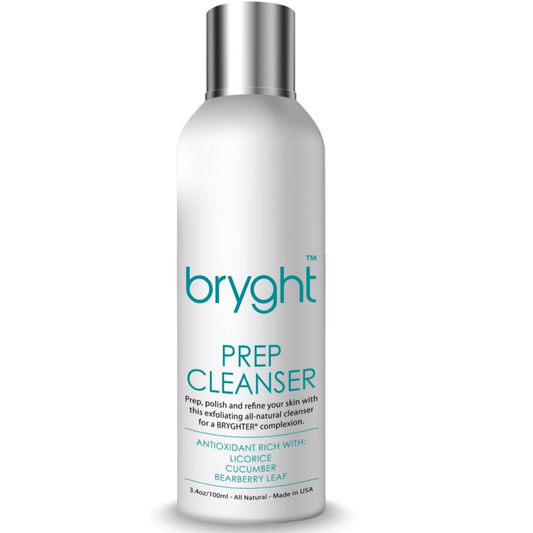
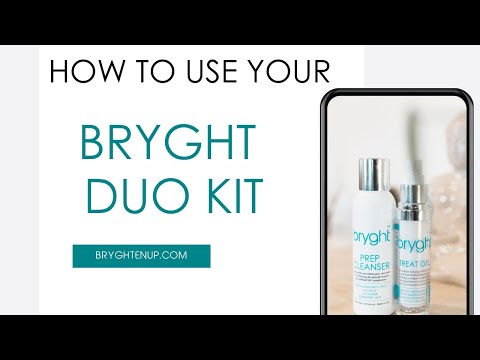
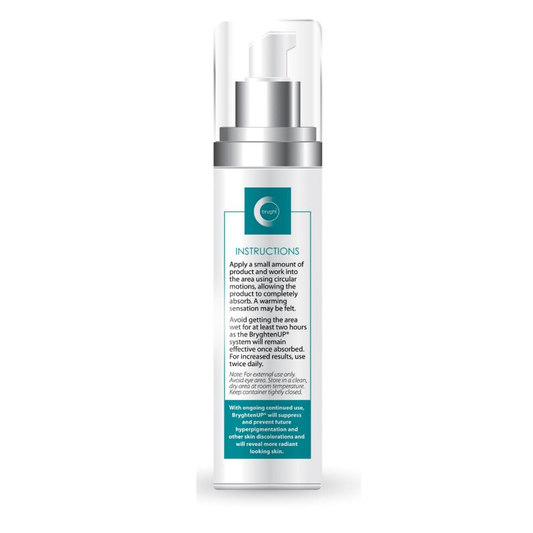
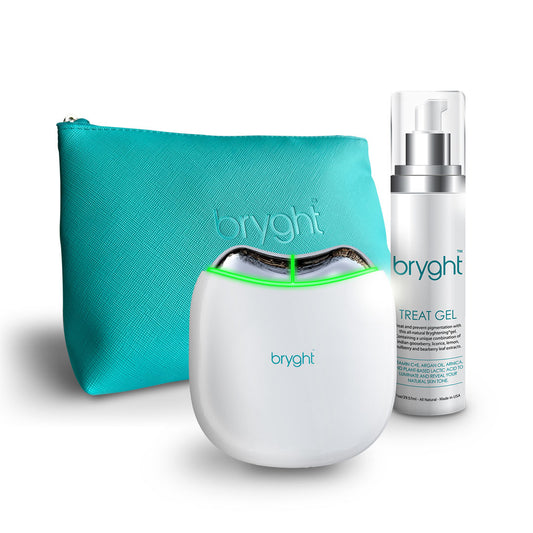
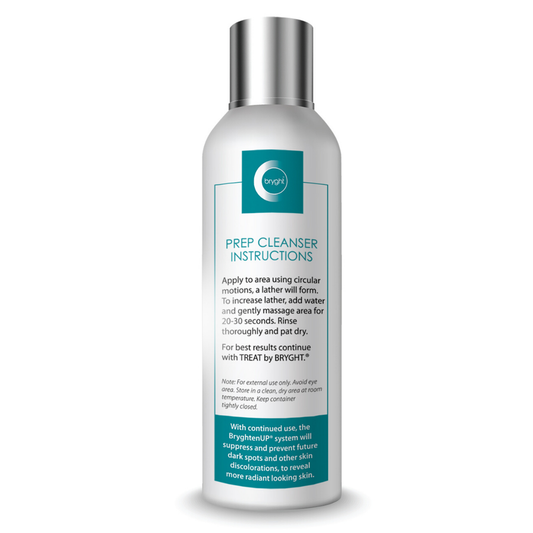
For people who prefer home care, the Bryght Duo Kit combines the Prep Cleanser and Treat Gel for permitted external skin. Follow the current label rather than copying another person’s frequency or amount.
A simple external-care routine
- Begin only when the skin is intact and calm, not freshly shaved, waxed or irritated.
- Use the Prep Cleanser according to the current directions, then rinse and pat dry.
- Apply the Treat Gel only as directed and allow it to absorb.
- Stop if persistent burning, swelling, rash or worsening discoloration develops.

Do not use household bleach, lemon juice, baking soda, strong DIY acids or an unlabeled whitening product on intimate skin. The U.S. Food and Drug Administration also warns that some skin-lightening products may contain mercury or unlawfully marketed hydroquinone, including ingredients that may not be declared accurately on questionable labels.
Do Nipple or Areola Before-and-After Results Follow the Same Pattern?
The nipple and areola are sensitive, hormone-responsive areas with their own safety considerations. For realistic timelines, photo guidance and treatment boundaries, read the dedicated nipple bleaching before-and-after and areola brightening guide.
When a Color Change Needs Medical Assessment
Do not treat every darker area as a cosmetic pigmentation concern. Seek medical advice for a new or changing patch, persistent itching or burning, pain, bleeding, sores, discharge, a lump, swelling or a color change with unclear cause. These signs require assessment rather than stronger brightening products.
Frequently Asked Questions
Does intimate bleaching work?
Some cosmetic routines can improve the appearance of uneven tone, but results vary by person, product, cause of pigmentation and consistency. No responsible routine can guarantee a specific shade or identical result.
Are intimate bleaching results permanent?
Not necessarily. Friction, hair removal, hormones, inflammation and natural pigment changes may affect the area again. Ongoing gentle care and avoiding repeated irritation may help maintain the appearance.
Is intimate bleaching safe?
Safety depends on the product, ingredients, permitted treatment area, skin condition and correct use. Use only clearly labeled products on intact external skin and follow their directions. Stop if a persistent reaction develops.
Can intimate bleaching change my natural skin color completely?
That should not be the goal. A realistic cosmetic objective is a more even-looking appearance within your natural tone, not erasing normal pigment or creating an extreme color change.
What is the best way to track progress?
Take private photographs under the same lighting, angle, distance and camera settings. Compare them over longer intervals and record changes in hair removal, irritation and product use.
Final Thoughts
The most credible intimate bleaching before-and-after results are gradual, natural-looking and photographed consistently. Focus on external skin, realistic expectations and the cause of uneven tone. Avoid aggressive DIY methods, follow the current product label and seek medical assessment when a skin change is new, persistent or symptomatic.
References
- U.S. Food and Drug Administration: Skin Product Safety
- American Academy of Dermatology Association: How to Fade Dark Spots in Darker Skin Tones
- American College of Obstetricians and Gynecologists: Vulvovaginal Health
Last updated: August 22, 2026.