Crema Aclarante Íntima: Lo que debe saber antes de comprar


Si busca una crema para aclarar la piel íntima, probablemente esté comparando productos para la zona del bikini, la parte interna de los muslos, las axilas o la piel íntima externa. La palabra familiar "aclarar" describe la intención de búsqueda, pero el objetivo cosmético debe ser un tono más uniforme, no cambiar el color natural de su piel.
Los nombres de los productos también pueden ser engañosos. Un producto iluminador íntimo se puede vender como crema, loción, suero o gel. Su textura importa menos que su lista completa de ingredientes, el área de aplicación prevista, las instrucciones y las afirmaciones hechas por el vendedor.
¿Qué es una crema aclarante para la piel íntima?
Una crema aclarante para la piel íntima es un cosmético tópico destinado a mejorar la apariencia del tono desigual o la hiperpigmentación visible en la piel externa. Estos productos no tratan todas las posibles causas de la decoloración y nunca deben contener ni confundirse con lejía doméstica.
Las marcas modernas pueden describir esta categoría como:
- Crema iluminadora íntima
- Producto iluminador para zonas privadas
- Gel o suero para hiperpigmentación
- Tratamiento corporal para un tono uniforme
Estas frases a menudo reflejan la misma intención general. Siempre confíe en la etiqueta real en lugar de asumir que cada producto de la categoría se puede usar en todas las áreas del cuerpo.
¿Existe una crema aclaradora de piel íntima recomendada por dermatólogos?
La gente busca con frecuencia una crema aclaradora de piel íntima recomendada por dermatólogos, pero no existe un único cosmético de venta libre que todos los dermatólogos recomienden para todas las personas o para todas las zonas íntimas. Una recomendación responsable depende de la causa de la decoloración, el estado de la piel, los ingredientes y el historial médico del individuo.
La Academia Estadounidense de Dermatología aconseja que el cuidado eficaz de las manchas oscuras comienza por identificar y abordar la causa. También señala que la irritación de los productos para el cuidado de la piel puede crear o empeorar la hiperpigmentación, especialmente en tonos de piel medios a oscuros. Por lo tanto, un enfoque sensato e informado por el dermatólogo es elegir productos transparentes, evitar tratamientos agresivos y detenerse si se desarrolla irritación.
Consulte a un dermatólogo certificado por la junta o a otro profesional de la salud calificado para obtener orientación personal si tiene una afección cutánea, irritación recurrente, decoloración inexplicable o antecedentes de reacciones a productos tópicos.
¿Por qué la piel íntima puede verse más oscura?
La variación de color en todo el cuerpo es común y no indica automáticamente una higiene deficiente o un problema médico. La apariencia de la piel íntima puede verse influenciada por:
- Distribución natural de melanina y genética
- Cambios hormonales
- Fricción por la ropa, el movimiento o el contacto piel con piel
- Afeitado, depilación con cera o vellos encarnados
- Inflamación o irritación pasada
- Afecciones de la piel que requieren diagnóstico y tratamiento adecuados
El cuidado cosmético de la piel no puede diagnosticar un parche de piel cambiante. Busque asesoramiento médico si la decoloración aparece repentinamente, cambia rápidamente, se vuelve gruesa o elevada, o si ocurre con picazón persistente, dolor, sangrado, llagas, secreción u otro síntoma inusual.
¿Dónde se pueden usar los productos iluminadores íntimos?
Eso depende de las instrucciones actuales del producto. Algunos productos de uso externo pueden estar destinados a áreas como:
- La línea del bikini
- La parte interna de los muslos
- Las axilas
- La piel perianal externa
- La piel vulvar externa, cuando esté expresamente permitido por la etiqueta
"Íntimo" no significa interno. No inserte productos cosméticos para el cuidado de la piel en la vagina o el ano, y no aplique un producto en el tejido mucoso a menos que su fabricante declare explícitamente que está diseñado y probado para ese uso.
Ingredientes y afirmaciones a verificar antes de comprar
Una lista de ingredientes larga no es automáticamente mejor, y "natural" no garantiza que un producto no sea irritante. Antes de comprar, verifique:
- Una lista completa y actual de ingredientes: Evite los productos sin etiqueta o con etiquetas vagas.
- Instrucciones claras de uso previsto: El fabricante debe identificar dónde y cómo se puede aplicar el producto.
- Lenguaje cosmético realista: Busque "ayuda a mejorar la apariencia del tono desigual", no un blanqueamiento permanente o garantizado.
- Guía para la prueba de parche: La sensibilidad individual siempre es posible.
- Información de fabricación y vendedor rastreable: Tenga precaución con las etiquetas hechas a mano, los datos faltantes de la empresa o las listas de mercado que contradicen el paquete.
La Administración de Alimentos y Medicamentos de EE. UU. aconseja a los consumidores que no usen productos para aclarar la piel de venta libre que contengan mercurio o hidroquinona. La agencia advierte que algunos productos comercializados ilegalmente pueden no enumerar estas sustancias con precisión. Nunca aplique lejía doméstica, peróxido de hidrógeno, jugo de limón o bicarbonato de sodio en la piel íntima.
¿Qué hay de los ácidos exfoliantes?
Algunas rutinas iluminadoras contienen alfa hidroxiácidos, incluidos el ácido láctico o glicólico. Estos ingredientes exfolian la superficie de la piel, pero también pueden causar irritación si se usan incorrectamente o se combinan con otros productos fuertes. La FDA señala que los productos con alfa hidroxiácidos pueden aumentar la sensibilidad al sol, lo que hace que la protección solar indicada en la etiqueta sea importante para la piel tratada que pueda estar expuesta.
No asuma que una concentración más fuerte, una aplicación más frecuente o un peeling visible producirán un mejor resultado. Para la piel propensa a la hiperpigmentación, la inflamación puede hacer que el tono desigual sea más notorio.
Cómo Bryght se diferencia de una crema tradicional
Bryght no posiciona su rutina principal de cuidado en el hogar como una crema aclaradora íntima pesada. El kit Bryght Duo combina dos formatos diferentes:
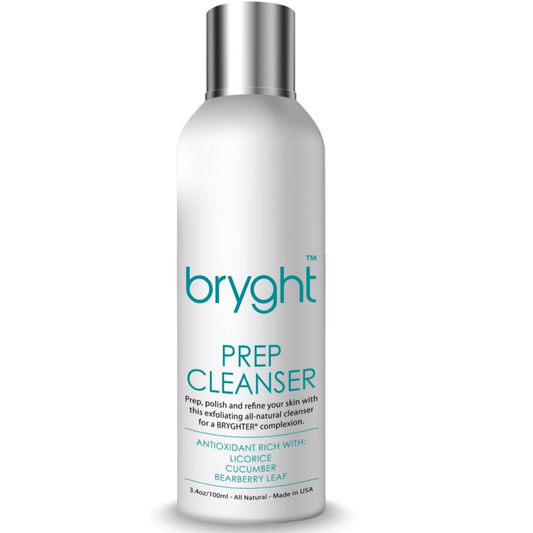
- Limpiador preparador: Un paso de preparación de limpieza y exfoliación que se enjuaga.
- Gel tratante: Un producto ligero que se deja puesto y está destinado a mejorar la apariencia de la hiperpigmentación y el tono desigual.
Según la información actual del producto de Bryght, las fórmulas incluyen ácidos láctico y glicólico e ingredientes botánicos como la grosella espinosa india, la morera y la raíz de regaliz. La información del producto indica que la fórmula no contiene hidroquinona ni ácido kójico. Consulte el paquete actual para obtener la lista completa de ingredientes, ya que las fórmulas y las instrucciones pueden cambiar.
Esta distinción es importante para la precisión: los clientes pueden llegar a esta página usando la palabra clave "crema aclarante de piel íntima", pero el tratamiento minorista de Bryght es un dúo de limpiador y gel, no una crema.
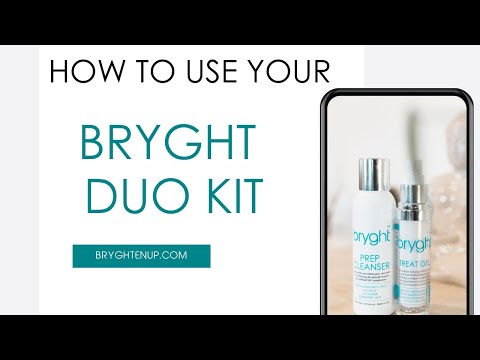
Cómo usar el kit Bryght Duo
- Primero, pruebe el parche. Pruebe una pequeña área externa y siga la etiqueta actual del producto. No aplique sobre la piel rota, inflamada, recién afeitada o recién depilada.
- Use el limpiador preparador. Masajee una pequeña cantidad en el área externa deseada, agregue agua, masajee durante aproximadamente 30 segundos, enjuague bien y seque con palmaditas.
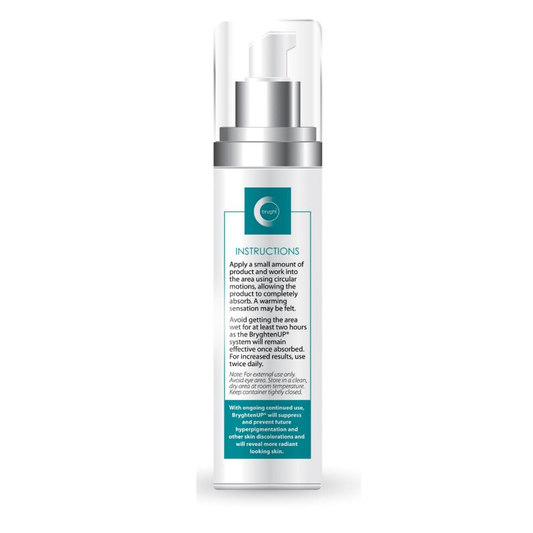
- Aplique el gel de tratamiento. Masajee una pequeña cantidad en la piel externa seca hasta que se absorba.
- Mantenga el área seca. Bryght recomienda mantener el área seca durante al menos dos horas después de aplicar el gel.
- Siga la etiqueta de manera consistente. No aumente la cantidad ni la frecuencia en un intento de acelerar los resultados.
Deje de usar el producto si experimenta ardor persistente, hinchazón, erupción cutánea, piel agrietada o irritación que empeora. Busque atención médica si la reacción es significativa o no mejora.
Productos caseros vs. tratamientos profesionales
Los productos caseros y profesionales no son intercambiables. Los pasos de fuerza profesional pueden estar destinados únicamente a proveedores capacitados, mientras que los productos para el cuidado doméstico de venta minorista tienen sus propias instrucciones y frecuencia. No compre ni copie protocolos profesionales para uso doméstico sin supervisión.
El siguiente video demuestra cómo se pueden usar los pasos seleccionados de Bryght Professional como complementos del servicio. Es un contexto educativo para el tratamiento profesional, no un reemplazo de las instrucciones proporcionadas con el kit minorista Duo.
¿Cuánto tiempo puede tardar el aclarado íntimo?
No hay un cronograma garantizado. Bryght informa que algunos clientes pueden comenzar a notar un cambio visible dentro de aproximadamente dos a cuatro semanas de uso constante, mientras que la decoloración persistente puede tardar más. Este es un período de tiempo informado por la marca, no una garantía clínica ni una promesa de resultados individuales.
Tome fotos del progreso cada dos o cuatro semanas con una iluminación, ángulo y distancia de la cámara similares. La comparación diaria es menos útil y puede fomentar la aplicación excesiva.
Qué evitar durante una rutina de aclarado íntimo
- Aplicar productos sobre piel irritada, inflamada o recién depilada
- Combinar múltiples ácidos exfoliantes, retinoides, exfoliantes o tratamientos iluminadores en la misma zona
- Usar más de lo que indica la etiqueta
- Tratar el ardor o la descamación como prueba de que el producto está funcionando
- Usar remedios caseros o de bricolaje para blanquear
- Ignorar síntomas persistentes o inusuales que requieren evaluación profesional
Preguntas frecuentes
¿La crema aclarante de piel íntima cambia el color natural de la piel?
Un producto cosmético responsable debe centrarse en reducir la apariencia del tono desigual o el exceso de pigmentación visible, no en cambiar el color natural de la piel de una persona. Los resultados individuales varían.
¿Pueden los hombres usar productos iluminadores íntimos?
La idoneidad del producto depende del área externa deseada, las instrucciones de la etiqueta y la respuesta individual de la piel, no del género. Siga las instrucciones actuales y busque asesoramiento profesional cuando sea necesario.
¿Es un gel iluminador íntimo mejor que una crema?
No automáticamente. La textura afecta cómo se siente y se extiende un producto, pero la idoneidad depende de la fórmula completa, el área de aplicación, las instrucciones y la tolerancia de la piel.
¿Se pueden usar los productos aclarantes íntimos todos los días?
Solo si la etiqueta actual del producto indica el uso diario y su piel lo tolera. No asuma que todas las cremas, geles o productos profesionales siguen el mismo horario.
¿Son permanentes los resultados?
No se debe asumir que ningún resultado es permanente. La fricción, las hormonas, la inflamación, la depilación y otros factores pueden afectar la apariencia de la pigmentación con el tiempo.
Consideraciones finales
Elegir una crema aclaradora de piel íntima debe comenzar con la etiqueta, no con la promesa más grande. Busque ingredientes transparentes, instrucciones de uso externo, afirmaciones cosméticas realistas y una rutina que no cause irritación persistente.
Para los clientes que prefieren una rutina coordinada de limpiador y gel en lugar de una crema tradicional, consulte el Kit Bryght Duo.
Última actualización: 14 de agosto de 2026
Referencias
- Academia Estadounidense de Dermatología: Cómo desvanecer las manchas oscuras en tonos de piel más oscuros
- Administración de Alimentos y Medicamentos de EE. UU.: Seguridad de los productos para la piel
- Administración de Alimentos y Medicamentos de EE. UU.: Alfa hidroxiácidos
- Bryght: Información e instrucciones del producto Duo Kit
Compartir