Dark Spot Corrector: What to Look For and How to Build a Routine

A dark spot corrector is a targeted skincare product or routine intended to improve the appearance of localized discoloration. The label can describe a serum, gel, cream or multi-step system, so the name alone does not tell you whether a product is appropriate for your skin.
The best choice is not necessarily the strongest formula. A useful corrector should fit the area you are treating, address the likely cause of the mark and be comfortable enough to use consistently.
What Does a Dark Spot Corrector Do?
Dark spots form for different reasons, including post-inflammatory hyperpigmentation after acne or irritation, sun exposure, hormonal changes and repeated friction. Correcting routines generally work by supporting gradual surface renewal, limiting repeated irritation and promoting a more even-looking tone.
A corrector does not diagnose a changing lesion and should not be used to cover up a spot that needs medical assessment. If you are unsure what caused a mark, begin with Dark Spots on Face: Causes, Treatments and How to Fade Them or consult a dermatologist.
Serum, Cream, Gel or Two-Step System?
- Serums are usually lightweight and easy to layer on the face.
- Creams may suit people who prefer a richer texture or need more moisturization.
- Gels can feel lighter and may work well for targeted application.
- Two-step systems pair preparation with a targeted treatment so the routine is easier to follow consistently.
Texture matters less than suitability, clear directions and regular use. A product that repeatedly causes irritation can create more discoloration rather than less.
What to Look For in a Dark Spot Corrector
Clear area-of-use directions
Facial, body, underarm and external intimate skin are not interchangeable treatment zones. Use a product only on the areas named on its label, and keep all skincare away from internal tissue and broken or freshly irritated skin.
A routine you can repeat
Consistency is more useful than constantly changing products. Choose a routine with a manageable number of steps and follow the label rather than increasing the amount or frequency.
Transparent labeling
Avoid unlabeled products and products that promise permanent whitening or overnight removal. The FDA warns consumers about illegally marketed skin-lightening products that may contain mercury or hydroquinone and may not list those ingredients accurately.
Support for the skin barrier
Discoloration often follows inflammation. A good plan should minimize unnecessary friction, over-exfoliation and persistent stinging.
How to Build a Simple Correcting Routine
- Cleanse gently. Remove sweat, oil and residue without aggressive scrubbing.
- Apply the targeted product. Use only the amount and frequency on the label.
- Moisturize if needed. A compatible moisturizer can help keep the routine comfortable.
- Protect exposed skin from light. Use broad-spectrum SPF 30 or higher on exposed areas.
- Track tolerance, not just color. Stop and reassess if burning, swelling or a worsening rash develops.
Where the Bryght Duo Kit Fits
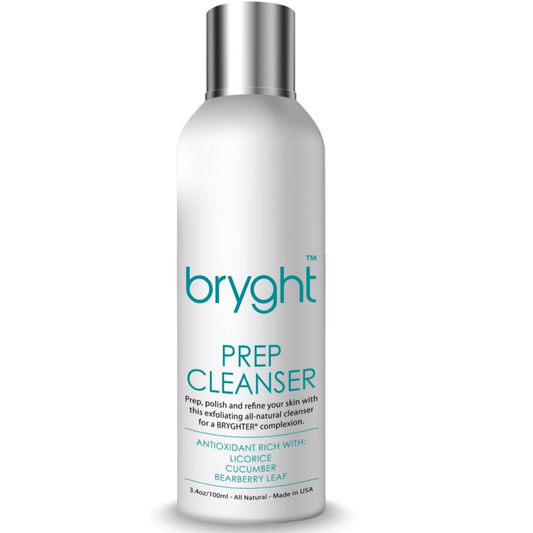
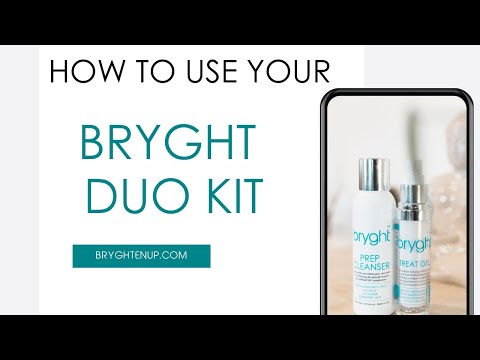
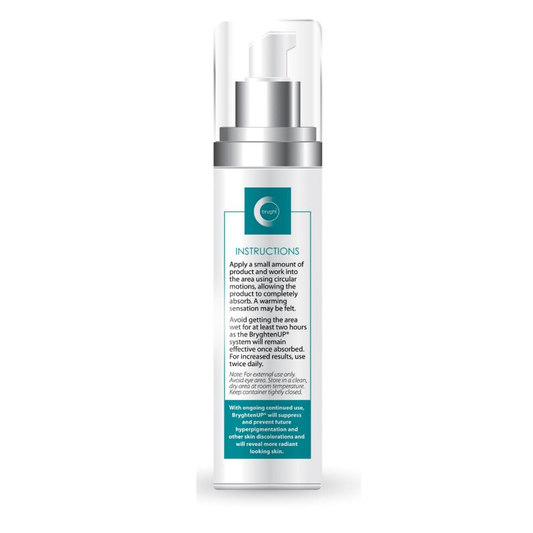
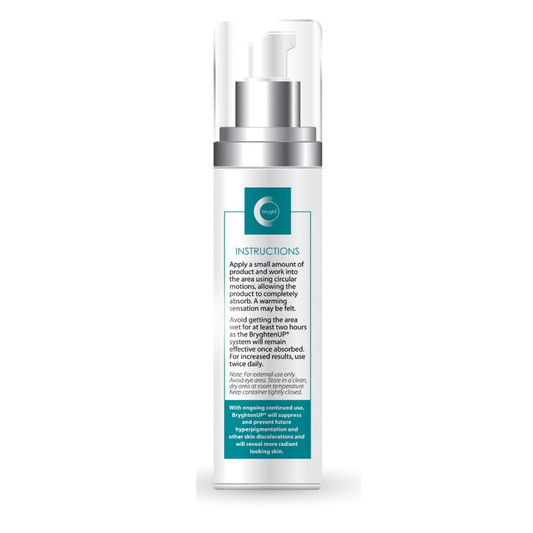
For external body and intimate skincare areas permitted by the product directions, the Bryght Duo Kit combines the Prep Cleanser and Treat Gel in one routine. The cleanser prepares the area, while the gel supplies the targeted leave-on step. Using the two products together as directed may support a more consistent brightening routine than using an isolated treatment without preparation.
Results vary by the cause and depth of discoloration, skin response and consistency. The Duo Kit is not a medical treatment and should not be applied to the eyes, internal genital tissue, broken skin or any area excluded by the label. For facial use, verify the current product directions before applying it to the face.
Dark Spot Corrector for the Face vs Body
A face-focused corrector often has to coexist with acne products, sunscreen and makeup. A body routine may instead need to account for clothing friction, shaving and sweat. Underarm discoloration has its own triggers and is covered in Underarm Bleaching: How to Lighten Dark Underarms Safely. For broader body marks, read Dark Spots on Skin: Causes, Types and When to Seek Care.
How Long Should You Test a Corrector?
Hyperpigmentation usually changes gradually. The AAD notes that some superficial marks can take months to fade after their trigger stops. Take a baseline photo in consistent lighting, follow the routine as directed and judge progress over a realistic interval. Stop earlier if the skin becomes persistently irritated.
Frequently Asked Questions
What is the best dark spot corrector?
There is no single best option for every person. The right choice depends on the cause, treatment area, skin sensitivity, other products and whether medical evaluation is needed.
Can a dark spot corrector make marks worse?
Yes. Irritation can trigger or prolong post-inflammatory hyperpigmentation. More frequent application is not automatically more effective.
Can I use a body corrector under my eyes?
No. The eye area needs products specifically labeled for use around the eyes. Read Dark Spots Under Eyes: Causes, Care and When to Seek Advice for that separate concern.
References
- American Academy of Dermatology: How to fade dark spots in darker skin tones
- U.S. Food and Drug Administration: Skin product safety
Last updated: August 25, 2026. This article is educational and does not replace professional medical advice.
Share