Manchas Oscuras en la Cara: Causas, Tratamientos y Cómo Aclararlas

Las manchas oscuras en el rostro son áreas de la piel que lucen marrones, grisáceas-marrones o más oscuras que la piel circundante. Son comunes en todos los tonos de piel y pueden aparecer después de acné, irritación, exposición al sol, cambios hormonales o una lesión. El término médico general es hiperpigmentación, pero identificar la causa específica es importante porque no todas las manchas oscuras deben tratarse de la misma manera.
Esta guía explica por qué se forman las manchas oscuras faciales, qué hábitos diarios pueden ayudar a prevenir nuevas manchas y cuándo un dermatólogo debe evaluar una mancha que está cambiando.
¿Qué Causa las Manchas Oscuras en el Rostro?
El color de la piel proviene en parte de la melanina. Cuando la inflamación, la exposición a la luz u otro desencadenante estimula las células productoras de pigmento, el exceso de melanina puede acumularse en un área. Las causas comunes incluyen:
- Hiperpigmentación postinflamatoria: una marca plana que permanece después del acné, eczema, una quemadura, un rasguño u otra forma de inflamación.
- Manchas solares: áreas planas asociadas con la exposición acumulada a los rayos ultravioleta, que a menudo aparecen en la cara y otras pieles expuestas.
- Melasma: manchas simétricas de color marrón o grisáceo-marrón que a menudo aparecen en las mejillas, la frente, el labio superior o la línea de la mandíbula. La luz solar y los cambios hormonales pueden contribuir.
- Irritación por productos: el ardor, escozor o la inflamación repetida de productos para la piel o el cabello pueden dejar decoloración.
- Medicamentos o una afección subyacente: algunos medicamentos y afecciones de salud pueden alterar la pigmentación. No suspenda los medicamentos recetados sin consultar a su médico.
Para una explicación más amplia de los cambios de pigmentación en todo el cuerpo, lea ¿Qué es la hiperpigmentación? Causas, tipos y opciones de tratamiento.
Manchas oscuras después de granos y acné
Una mancha plana de color marrón que queda después de un grano no es necesariamente una cicatriz de acné. Puede ser hiperpigmentación postinflamatoria, que puede desvanecerse gradualmente una vez que el acné y la irritación estén controlados. Hurgar, apretar y usar tratamientos agresivos para las manchas puede prolongar la inflamación y aumentar la probabilidad de otra marca.
La primera prioridad es, por lo tanto, reducir los nuevos brotes sin irritar repetidamente la piel. Si el acné es persistente, doloroso o deja cicatrices, un dermatólogo puede elaborar un plan que aborde tanto el acné activo como la decoloración restante.
Cómo atenuar las manchas oscuras en la cara de forma segura
1. Identifique y limite el desencadenante
Un producto corrector no puede compensar completamente la irritación continua. Revise los brotes recientes, el hurgado, el afeitado, los productos para el cabello, las fórmulas perfumadas y cualquier producto que cause ardor o escozor. Una rutina más suave puede ayudar a prevenir nuevas marcas mientras las existentes se desvanecen.
2. Utilice protección solar diaria
La luz ultravioleta y visible puede profundizar algunas formas de hiperpigmentación. La Academia Americana de Dermatología recomienda un SPF 30 o superior de amplio espectro. Para las personas que controlan el melasma o la decoloración facial persistente, un protector solar con color que contenga óxidos de hierro también puede ayudar a proteger contra la luz visible. Vuelva a aplicar según la etiqueta, especialmente después de sudar o nadar.
3. Elija un tratamiento focalizado
Agregar varios productos fuertes a la vez dificulta la identificación de la irritación. Comience con un tratamiento para manchas oscuras que sea adecuado para su piel y siga sus instrucciones. Los ingredientes comúnmente utilizados en las rutinas de hiperpigmentación facial incluyen ácido azelaico, vitamina C, ácido glicólico y retinoides. La idoneidad depende del tipo de piel, el estado de embarazo, otros tratamientos y la causa de la decoloración.
Si está comparando formatos y rutinas, consulte Corrector de manchas oscuras: qué buscar y cómo establecer una rutina.
4. Protege la barrera cutánea
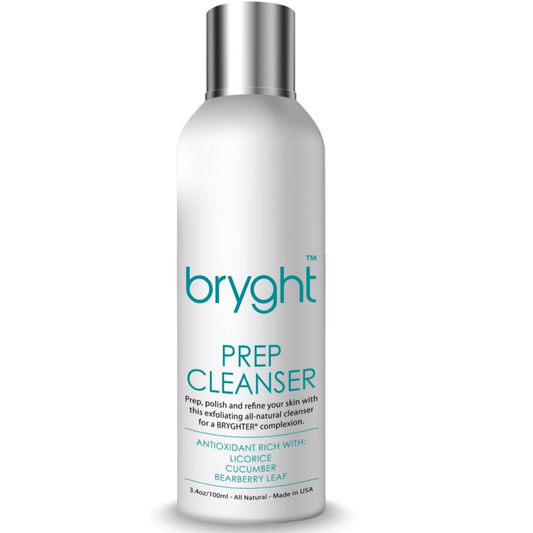
Un limpiador e hidratante simple pueden hacer que una rutina activa sea más fácil de tolerar. Más hormigueo no significa un desvanecimiento más rápido. Deje de usar un producto que cause ardor persistente, hinchazón, ampollas o una erupción que empeore.
¿Cuánto tiempo tardan en desaparecer las manchas oscuras faciales?
No existe un cronograma universal. La AAD señala que una mancha solo unas pocas tonalidades más oscura que la piel circundante puede tardar de 6 a 12 meses en desvanecerse después de que se controla su causa, mientras que la pigmentación más profunda puede tardar más. Los resultados también dependen del tipo de marca, su profundidad, la exposición al sol, la consistencia de la rutina y si la nueva inflamación continúa.
Sea cauteloso con las afirmaciones que prometen eliminar las manchas oscuras en días. Un plan realista se enfoca en la prevención, la mejora gradual y la reevaluación regular.
Qué no poner en las manchas oscuras
- Nunca aplique lejía doméstica sobre la piel.
- Evite los productos blanqueadores sin etiqueta o mal etiquetados.
- No combine múltiples ácidos, exfoliantes y retinoides simplemente para que una rutina se sienta más fuerte.
- No use ingredientes de concentración recetada sin la guía médica adecuada.
La FDA advierte que los productos blanqueadores de piel comercializados ilegalmente pueden contener mercurio o hidroquinona, a veces sin un etiquetado transparente. Lea las etiquetas y obtenga asesoramiento médico cuando no esté seguro.
¿Cuándo debe un dermatólogo revisar una mancha oscura?
Busque una evaluación profesional cuando una mancha sea nueva y esté cambiando, sea irregular, elevada, sangrante, dolorosa, con picazón persistente o diferente de sus otras marcas. Un dermatólogo también debe evaluar la decoloración generalizada, la pigmentación acompañada de otros síntomas o las marcas que no responden a una rutina consistente y suave.
No asuma que cada mancha oscura es hiperpigmentación cosmética. La identificación correcta precede a la corrección.
Preguntas frecuentes
¿Pueden desaparecer por completo las manchas oscuras del rostro?
Algunas marcas postinflamatorias se desvanecen sustancialmente después de que se controla el desencadenante. Otras formas, incluidas el melasma y los cambios relacionados con el sol, pueden reaparecer o requerir un manejo continuo.
¿El protector solar elimina las manchas oscuras?
El protector solar no es un tratamiento blanqueador. Ayuda a evitar que la luz profundice la decoloración y apoya el trabajo del resto de la rutina.
¿Son las manchas oscuras y el tono de piel desigual lo mismo?
Las manchas oscuras son una posible causa de tono desigual. La textura, el enrojecimiento, la palidez y la variación natural también pueden hacer que el tono se vea desigual. Lea Tono de piel desigual: causas, cuidado y una rutina de luminosidad más suave para el tema más amplio.
Referencias
- Academia Americana de Dermatología: Cómo atenuar las manchas oscuras en tonos de piel más oscuros
- Academia Americana de Dermatología: Causas del melasma
- Administración de Alimentos y Medicamentos de EE. UU.: Seguridad de los productos para la piel
Última actualización: 25 de agosto de 2026. Este artículo es educativo y no constituye un diagnóstico ni un plan de tratamiento.
Compartir