Tono de Piel Desigual: Causas, Manchas Oscuras y Cómo Mejorarlo

El tono de piel desigual significa que algunas áreas de la piel tienen un aspecto más oscuro, más claro, más rojo o menos uniforme que la piel circundante. Las causas comunes incluyen la exposición al sol, la inflamación, el acné, la fricción, la depilación, las hormonas y los cambios naturales en la pigmentación. El aclaramiento de la piel es un enfoque cosmético que se centra en mejorar la apariencia del exceso de pigmentación respetando el color natural de la piel.
Ya sea que se trate de hiperpigmentación, marcas de acné, fricción o cicatrices, el cuidado de la piel puede ser una herramienta para sentirse mejor. Los días de piel bonita y la rutina adecuada pueden darle un impulso instantáneo de confianza. Todo el "me desperté así", sin estrés. Ese es el objetivo: una rutina que se sienta realista, de apoyo y fácil de entender.
¿Qué es el tono de piel desigual?
El tono de piel se crea en gran parte por la melanina, el pigmento que da color a la piel, el cabello y los ojos. La producción de melanina no siempre es perfectamente uniforme. Cuando un área produce o retiene más pigmento, puede aparecer como una mancha o parche oscuro. Esto se llama hiperpigmentación.
Cómo encaja la hiperpigmentación: La hiperpigmentación significa que un área contiene más pigmento visible que la piel circundante. Puede contribuir a un tono desigual, pero el enrojecimiento, la textura y la variación natural del color pueden hacer lo mismo. Consulte ¿Qué es la hiperpigmentación? Causas, tipos y opciones de tratamiento para obtener una descripción general completa de la afección.
El tono desigual también puede implicar enrojecimiento, daño solar visible o áreas que han perdido pigmento. Debido a que estos cambios no tienen la misma causa, el "aclaramiento" no es un tratamiento único que funcione de manera idéntica para todas las personas o para cada tipo de decoloración.
Aclaramiento, aclarado, blanqueamiento y decoloración
Estas palabras se usan a menudo indistintamente en las búsquedas, pero pueden comunicar objetivos muy diferentes. El aclaramiento de la piel moderno debe centrarse en la apariencia del exceso de pigmentación y apoyar una versión más uniforme de su tono natural.
Términos de búsqueda como aclarado de la piel, blanqueamiento de la piel y decoloración de la piel pueden reflejar el lenguaje que la gente ya conoce. No deben implicar que el color natural de la piel sana necesite ser cambiado. El cuidado responsable no se trata de perseguir un tono extremo o universal. Se trata de abordar las manchas oscuras no deseadas, la irregularidad visible de la pigmentación y los desencadenantes que pueden hacer que vuelvan a aparecer.
Los estándares de belleza cultural a veces han considerado la piel más clara como más deseable. Esa historia importa. Un enfoque seguro e inclusivo debe respetar cada tono de piel natural y evitar prometer transformar a alguien en un color diferente.
¿Qué causa el tono de piel desigual?
Exposición al sol y a la luz visible
La luz solar puede estimular la producción de pigmento y hacer que las manchas oscuras existentes sean más notorias. Las áreas expuestas, como la cara, las manos, el pecho y los hombros, comúnmente desarrollan un tono desigual con el tiempo. El melasma y las marcas posinflamatorias también pueden oscurecerse con la exposición a la luz.
Hiperpigmentación posinflamatoria
La inflamación puede hacer que los melanocitos produzcan pigmento adicional. Una marca oscura puede permanecer después de que el acné, el eczema, la psoriasis, una picadura de insecto, un corte, una quemadura u otra lesión cutánea hayan cicatrizado. Pellizcar los granos o rascar un área irritada puede prolongar el ciclo.
Fricción, calor y depilación
El roce repetido puede afectar áreas como las axilas, la parte interna de los muslos, la línea del bikini, los glúteos y otros pliegues cutáneos. El afeitado y la depilación pueden agregar inflamación temporal, especialmente cuando se realizan de forma demasiado agresiva o con demasiada frecuencia. La ropa ajustada puede contribuir al roce y al calor.
Cambios hormonales
Las hormonas pueden influir en el pigmento durante el embarazo, mientras se usan ciertos medicamentos o con afecciones como el melasma. Si cree que las hormonas o una afección médica están contribuyendo a un nuevo cambio en su piel, hable con un profesional de la salud calificado en lugar de intentar diagnosticarlo solo a través del cuidado de la piel.
Productos que irritan la piel
Un producto no necesita causar una quemadura dramática para crear un problema. El escozor persistente, la sequedad y el enrojecimiento pueden indicar irritación. Los exfoliantes fuertes, la exfoliación excesiva y los ingredientes caseros como el jugo de limón pueden empeorar la pigmentación al crear inflamación adicional.
Variación natural y envejecimiento
La piel no es naturalmente de un color perfectamente uniforme. Las áreas con pliegues, fricción o sensibilidad hormonal pueden tener un tono más profundo. Las pecas, las manchas relacionadas con la edad y los cambios graduales de pigmento también son comunes. El cuidado cosmético es opcional y debe basarse en la preferencia personal, no en la presión para borrar la variación normal.
Si está comparando fórmulas caseras, consulte qué buscar en productos para aclarar e iluminar la piel.
Cómo lograr un tono de piel más uniforme
1. Identifique y reduzca el desencadenante
Eliminar las manchas oscuras comienza por comprender por qué aparecen. Si el acné, el eczema, la fricción o una reacción a un producto siguen creando inflamación, una rutina de aclarado por sí sola puede no resolver el problema. Abordar el desencadenante puede ayudar a prevenir nuevas marcas mientras el pigmento existente se desvanece gradualmente.
2. Use un cuidado de la piel suave y constante
La constancia suele ser más útil que un tratamiento agresivo de una sola vez. Elija productos claramente etiquetados, siga sus instrucciones e introduzca nuevos productos uno a uno. Si un producto causa una quemadura significativa, hinchazón o enrojecimiento persistente, deje de usarlo.
3. Proteja la piel expuesta de la luz
Para las áreas expuestas a la luz solar, la protección solar de amplio espectro es una parte importante para evitar que el pigmento se profundice. La Academia Estadounidense de Dermatología recomienda un SPF 30 o superior y señala que el protector solar con color que contiene óxido de hierro puede ayudar a proteger contra la luz visible, que puede empeorar algunas formas de hiperpigmentación.
4. Reduzca la fricción y los pellizcos
Evite pellizcar los granos y rascar la piel en proceso de curación. Para las áreas afectadas por el roce, considere ropa más suave y transpirable y dé tiempo a la piel para recuperarse entre sesiones de depilación. Después del afeitado o la depilación, siga las instrucciones de tiempo para cualquier producto exfoliante o iluminador en lugar de aplicarlo todo inmediatamente.
5. Dé tiempo a la piel
No prometemos un milagro en una botella. Una vez que la causa ha sido controlada, las manchas oscuras superficiales aún pueden tardar meses en desvanecerse. La pigmentación más profunda puede tardar más. El progreso debe juzgarse a través de cambios graduales bajo una iluminación similar, no promesas de blanqueamiento de la noche a la mañana.
Si su principal preocupación es un grupo de marcas definidas en lugar del tono general, compare formatos específicos en Corrector de manchas oscuras: qué buscar y cómo construir una rutina.
¿Qué ingredientes o tratamientos pueden ayudar?
Diferentes enfoques cosméticos y recetados pueden apoyar un tono más uniforme a través de la exfoliación controlada, el apoyo antioxidante, la regulación de pigmentos o el tratamiento de la afección subyacente. La elección correcta depende del tipo de decoloración, el área del cuerpo, la sensibilidad de la piel y si el cambio es cosmético o médico.
No asuma que más fuerte significa mejor. La sobreexfoliación puede crear irritación y nueva pigmentación. La FDA también aconseja a los consumidores que revisen las etiquetas y eviten los productos ilegales de venta libre para aclarar la piel que contienen mercurio o hidroquinona. El tratamiento recetado debe ser supervisado por un profesional de la salud adecuado.
Para comprender el proceso con más detalle, lea ¿Cómo funciona el aclaramiento de la piel?
Tono de piel desigual en áreas íntimas y de alta fricción
Las axilas, la parte interna de los muslos, la línea del bikini, los glúteos y la piel íntima externa pueden ser naturalmente más oscuras que las áreas circundantes. La fricción, la humedad, las hormonas y la depilación pueden hacer que esa diferencia sea más notoria.
El cuidado de estas áreas debe diseñarse para piel externa intacta. Nunca aplique lejía doméstica, jugo de limón o un producto blanqueador sin etiquetar. No aplique productos cosméticos aclarantes en tejido interno, cortes abiertos, erupciones activas o piel visiblemente inflamada.
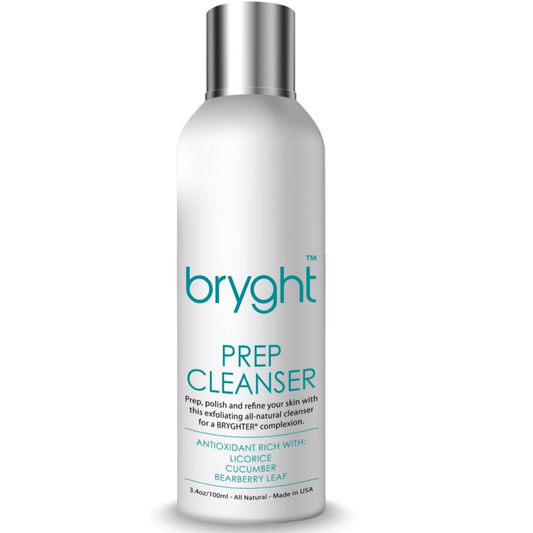
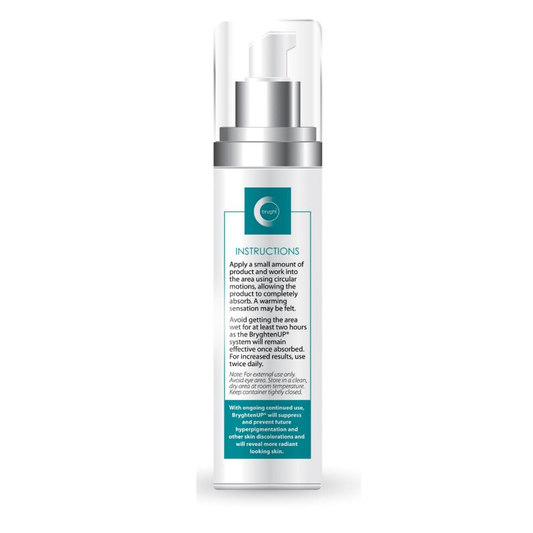
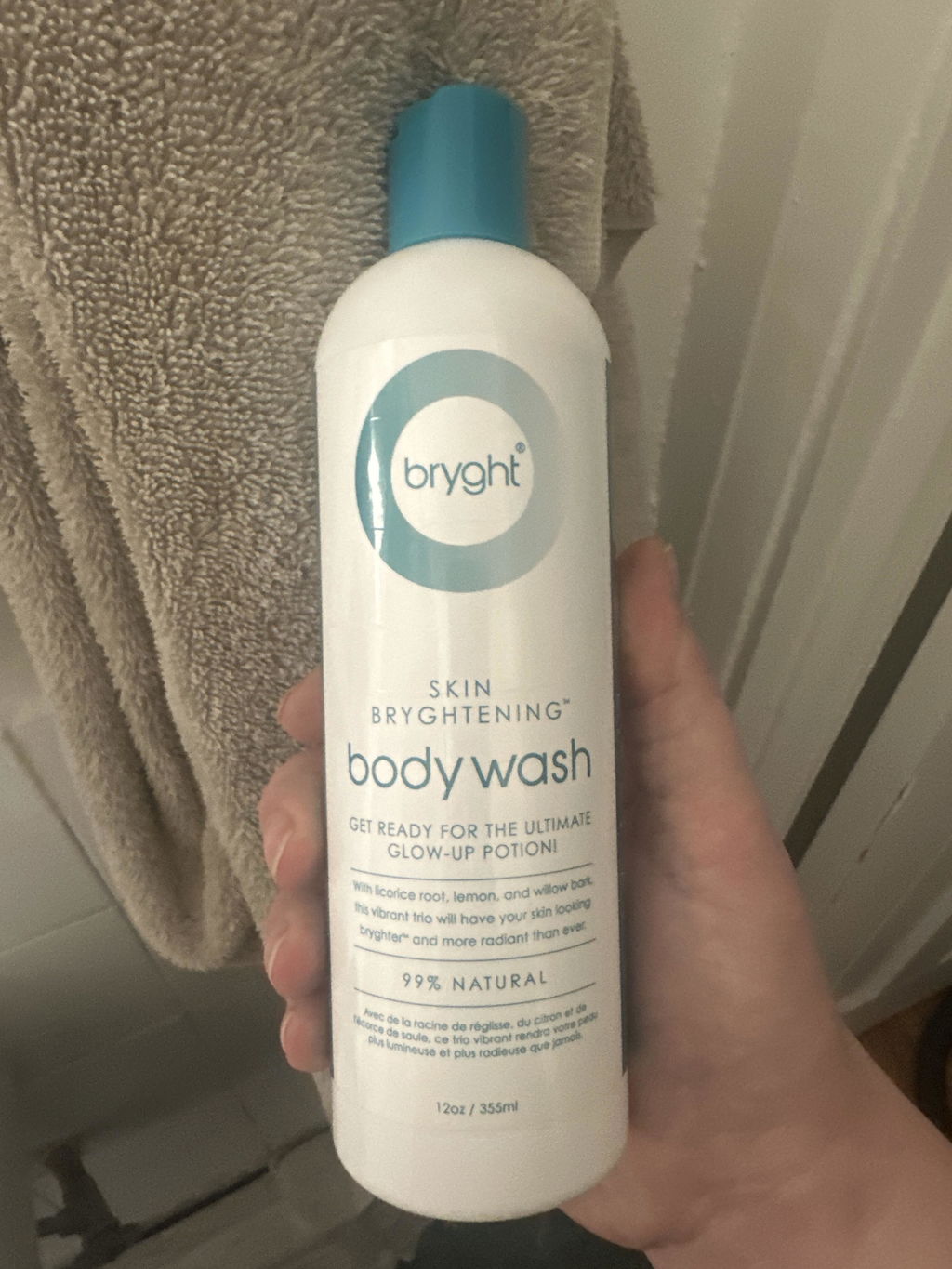
Si desea orientación profesional, utilice el localizador de tiendas Bryght para encontrar un proveedor y comuníquese directamente con la ubicación para confirmar sus servicios. Si prefiere una rutina en casa, el Kit Bryght Duo combina un limpiador de preparación y un gel de tratamiento para el cuidado de la piel externa. Siga las instrucciones actuales de la etiqueta.
Las manchas oscuras son una parte del tono de piel desigual
Las marcas planas de color marrón o gris-marrón pueden hacer que el cutis parezca desigual, pero son una preocupación específica de pigmentación más que la definición completa de tono desigual. El acné, la irritación, la exposición al sol y la inflamación pueden dejar hiperpigmentación postinflamatoria, mientras que el melasma y las manchas solares tienen diferentes patrones y desencadenantes.
Mantenga esta página centrada en el tono, la textura y la luminosidad generales. Para obtener una guía completa sobre la pigmentación facial, lea Manchas oscuras en la cara: causas, tratamientos y cómo atenuarlas.
¿Cuándo debe consultar a un dermatólogo?
El cuidado de la piel no puede diagnosticar todos los cambios de color. Busque una evaluación profesional cuando la decoloración:
- aparece repentinamente o cambia rápidamente;
- es dolorosa, pica, es escamosa, sangra o se asocia con una llaga;
- forma un parche grueso o aterciopelado;
- incluye áreas blancas o muy claras que se extienden;
- afecta un lunar que está cambiando de tamaño, forma o color;
- se desarrolla junto con otros síntomas inexplicables; o
- no mejora después de que se ha abordado el desencadenante sospechoso.
Un dermatólogo puede determinar si el cambio representa pigmentación posinflamatoria, melasma, una afección cutánea o algo que necesita tratamiento médico.
Preguntas frecuentes
¿Cuál es la forma más rápida de igualar el tono de la piel?
No existe un método único más rápido para todas las causas. Comience por detener la irritación repetida, proteger la piel expuesta de la luz y usar una rutina adecuada de manera constante. Un dermatólogo puede proporcionar un diagnóstico y discutir opciones recetadas o en el consultorio cuando sea apropiado.
¿Puede el tono de piel desigual desaparecer naturalmente?
Algunas marcas posinflamatorias se desvanecen gradualmente después de que cesa el desencadenante, pero el plazo varía. La exposición continua al sol, la fricción o la inflamación pueden ralentizar el progreso o crear nuevas manchas.
¿El tono de piel desigual es lo mismo que la hiperpigmentación?
No siempre. La hiperpigmentación es una causa común de tono desigual, pero el enrojecimiento, la hipopigmentación y ciertas afecciones de la piel también pueden crear diferencias visibles en el color.
¿Puede el aclaramiento de la piel cambiar mi color natural?
El aclaramiento responsable debe apuntar a la apariencia del pigmento excesivo o irregular y apoyar un tono natural más uniforme. No debe prometer un cambio extremo en el color de su piel base saludable.
¿Qué productos debo evitar?
Evite la lejía doméstica, el jugo de limón crudo, los productos sin etiquetas claras y cualquier cosa que cause ardor o inflamación persistentes. Revise las instrucciones actuales del producto y no use cosméticos externos en el tejido íntimo interno.
Reflexiones finales
El tono de piel desigual es común, y querer abordarlo es una elección personal. La mejor rutina no es la más dura. Es la que respeta su color natural, reduce la irritación repetida y apoya una mejora gradual y realista. Cuando la causa es incierta o la piel está cambiando, la orientación profesional debe preceder al tratamiento cosmético.
Referencias
- American Academy of Dermatology Association: Cómo atenuar las manchas oscuras en tonos de piel más oscuros
- American Academy of Dermatology Association: Diagnóstico y tratamiento del melasma
- DermNet: Hiperpigmentación postinflamatoria
- Administración de Alimentos y Medicamentos de EE. UU.: Seguridad de los productos para la piel
Última actualización: 25 de agosto de 2026.
Compartir