Manchas Oscuras en la Piel: Causas, Tipos y Cuándo Buscar Atención Médica

Las manchas oscuras en la piel pueden aparecer después de una inflamación, lesión, exposición al sol, medicación o cambios naturales con el tiempo. Muchas son formas inofensivas de hiperpigmentación, pero una mancha nueva o cambiante no debe diagnosticarse solo por el color.
Esta guía centrada en el cuerpo explica los tipos comunes de manchas oscuras, cómo la ubicación puede indicar un desencadenante y cuándo buscar atención médica.
¿Qué son las manchas oscuras en la piel?
Una mancha oscura es un área que se ve de color más profundo que la piel circundante. Puede ser marrón, marrón grisáceo, marrón púrpura o casi negro, dependiendo del tono de piel, la profundidad del pigmento y la causa. Algunas marcas son pequeñas y aisladas, mientras que otras forman parches más grandes.
El término más amplio es hiperpigmentación. Incluye marcas posinflamatorias, melasma, manchas solares y otros patrones de pigmentación.
Causas comunes de las manchas oscuras en el cuerpo
Inflamación y lesiones
Las picaduras de insectos, cortes, quemaduras, eccemas, foliculitis y el hecho de pellizcarse pueden dejar hiperpigmentación posinflamatoria después de que el problema original se cure.
Fricción y depilación
El roce repetido, el afeitado y los vellos encarnados pueden provocar marcas más oscuras en las axilas, la parte interna de los muslos, la línea del bikini y otras áreas de alta fricción.
Exposición al sol
Las manchas planas relacionadas con el sol suelen aparecer en áreas expuestas como los hombros, los brazos, el pecho y las manos. Un médico debe evaluar una mancha que cambia de tamaño, forma o color.
Acné y protuberancias foliculares
El acné corporal y los folículos pilosos inflamados pueden dejar marcas en la espalda, el pecho, los glúteos y los muslos. Prevenir nuevas inflamaciones es parte de desvanecer las marcas antiguas.
Medicamentos y afecciones médicas
Algunos medicamentos y afecciones de salud pueden producir cambios en la pigmentación. No suspenda la medicación sin hablar con el médico que la recetó.
La ubicación importa
Una mancha oscura en el brazo después de una picadura de insecto tiene un contexto diferente al de un parche aterciopelado en un pliegue de la piel o una lesión cambiante en la espalda. Utilice la guía más específica para su preocupación:
- Manchas oscuras en la cara
- Axilas oscuras y decoloración de las axilas
- Hiperpigmentación íntima externa
- Oscuridad debajo de los ojos
Cómo mejorar la apariencia de las manchas oscuras corporales
- Identifique el desencadenante. Reduzca la fricción, controle la inflamación activa y evite rascarse.
- Use una limpieza suave. Frotar no elimina el pigmento de la piel y puede causar más irritación.
- Elija un producto específico adecuado. Verifique que la etiqueta permita su uso en el área del cuerpo que planea tratar.
- Proteja las áreas expuestas. Use un protector solar de amplio espectro con SPF 30 o superior en la piel no cubierta por la ropa.
- Dele tiempo a la rutina. Algunas marcas superficiales tardan meses en desvanecerse después de que se controla la causa.
Para obtener ayuda para comparar sueros, geles, cremas y rutinas combinadas, lea Corrector de manchas oscuras: qué buscar y cómo establecer una rutina.
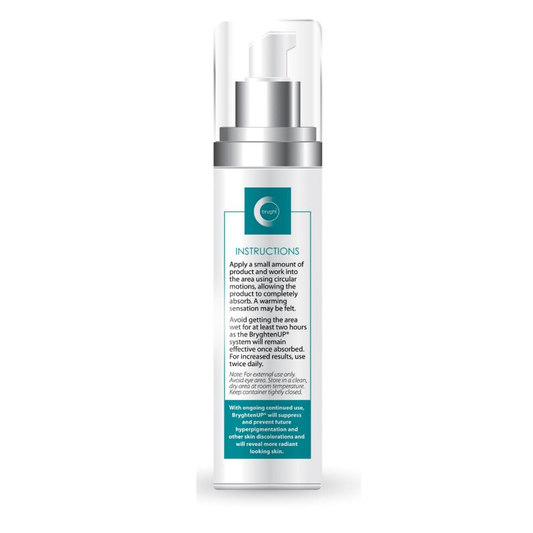
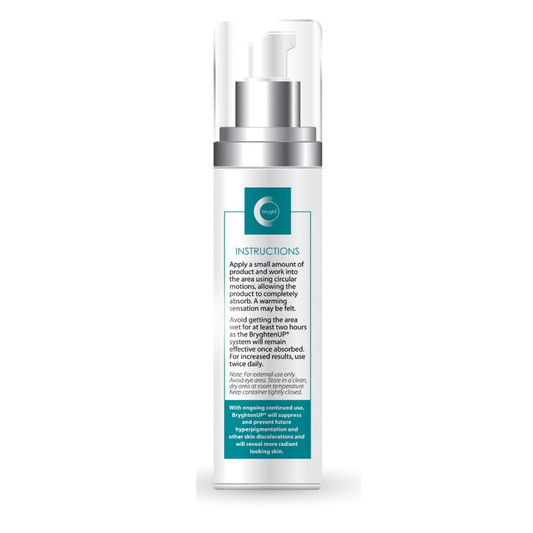
¿Se puede usar el kit Bryght Duo para las manchas oscuras corporales?
El kit Bryght Duo combina el limpiador preparador y el gel de tratamiento para áreas externas permitidas por las instrucciones del producto. El formato de dos pasos puede ayudar a mantener la consistencia de la rutina. No está destinado a diagnosticar o tratar una lesión sospechosa, y no debe usarse en los ojos, internamente, sobre la piel lesionada o en cualquier lugar excluido por la etiqueta.
Qué evitar
- Lejía doméstica y remedios caseros agresivos
- Productos blanqueadores sin etiquetar
- Usar un ácido facial en un área corporal sensible sin verificar las instrucciones
- Exfoliación repetida en piel inflamada o recién afeitada
- Tratar un lunar cambiante como una mancha oscura cosmética
Cuándo debe revisarse una mancha oscura
Consulte a un médico si tiene una mancha nueva y cambiante, asimétrica, con bordes irregulares, de color variado, que sangra, es dolorosa o pica persistentemente. También busque consejo para la pigmentación generalizada, parches aterciopelados engrosados, síntomas en otras partes del cuerpo o una marca que no encaja en un historial claro de inflamación.
Preguntas frecuentes
¿Por qué aparecen manchas oscuras después de una erupción o picadura?
La inflamación puede estimular un pigmento adicional. La marca plana resultante se llama hiperpigmentación posinflamatoria.
¿Se pueden eliminar las manchas oscuras de forma permanente?
Algunas marcas se desvanecen considerablemente, pero una nueva inflamación o exposición a la luz pueden crear nuevas. El objetivo realista es una mejora gradual más la prevención.
¿Son lo mismo las manchas marrones y las manchas oscuras?
“Mancha marrón” es una descripción visual, no un diagnóstico. Puede referirse a varias afecciones diferentes, por lo que el contexto y el cambio con el tiempo son importantes.
Referencias
- American Academy of Dermatology: Cómo desvanecer las manchas oscuras en tonos de piel más oscuros
- Administración de Alimentos y Medicamentos de EE. UU.: Seguridad de los productos para la piel
Última actualización: 25 de agosto de 2026. Este artículo es educativo y no sustituye un examen de la piel.
Compartir